Homeowners insurance policy documents with a suburban house in the background
What Does Home Insurance Cover?

Content
Most homeowners pour substantial money into insurance premiums each year without truly understanding their policy's boundaries. That lack of clarity becomes painfully obvious when filing a claim after a disaster—suddenly you're discovering gaps, limits, and exclusions you never knew existed.
Your homeowners policy bundles multiple protections together: structural coverage, contents protection, lawsuit defense, and temporary relocation assistance. But here's the catch—those protections come with specific dollar caps, require you to pay deductibles first, and exclude entire categories of damage that many people assume are included. Let's walk through exactly what protection you're actually buying, what situations leave you on your own financially, and how the claims process really unfolds when you need it most.
Standard Coverage Types in Homeowners Insurance
Homeowners policies divide protection into four distinct sections. Each section handles different types of losses and operates under its own set of rules.
Dwelling Coverage
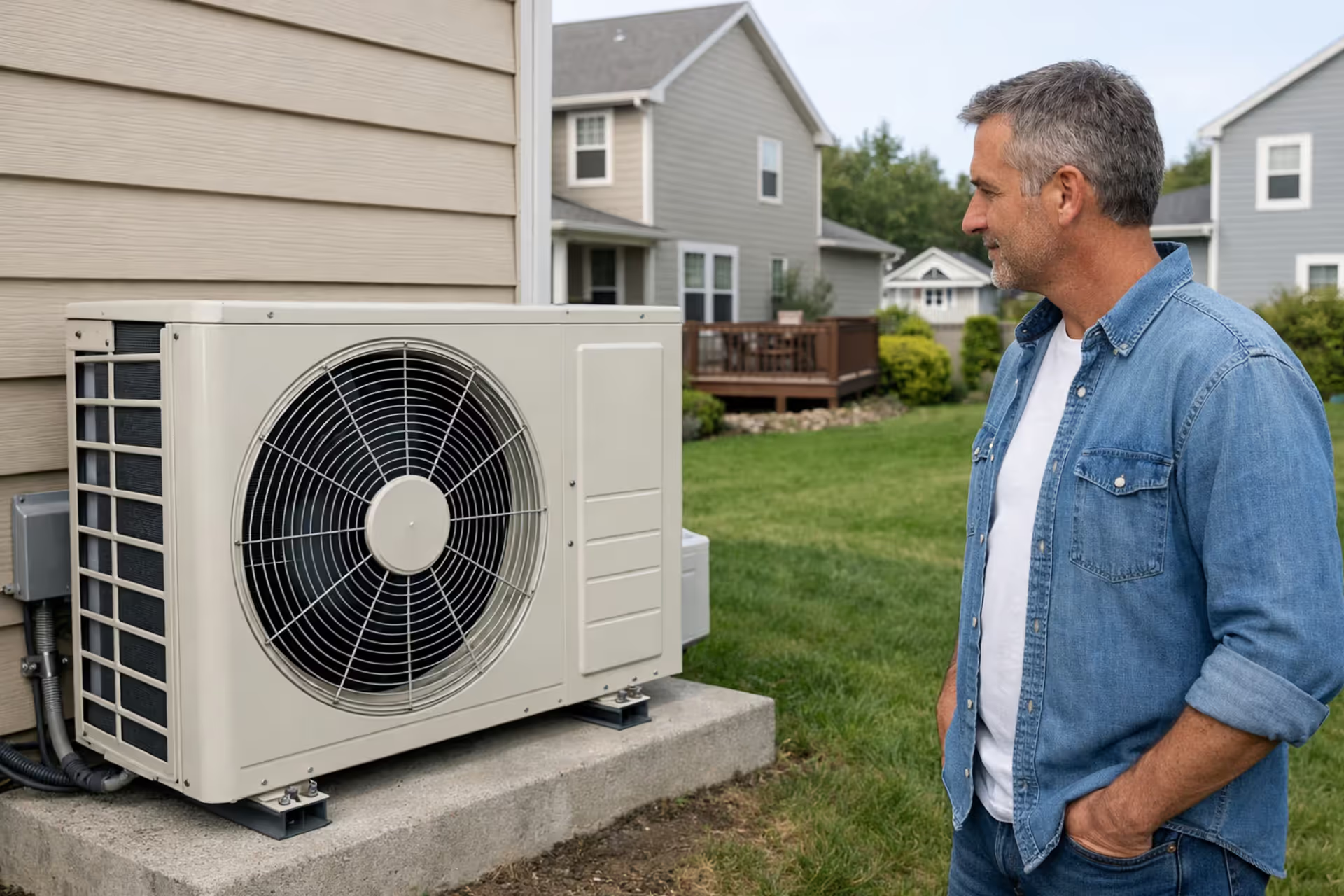
Your dwelling protection handles repairs or reconstruction of the house itself plus anything permanently attached. We're talking about walls, roofing systems, built-in appliances, HVAC equipment, electrical wiring, plumbing lines, and fixtures that don't move. Attached decks, porches, and garages also count here.
The dwelling limit sets your maximum payout for rebuilding. Here's where homeowners often mess up—they base this number on what they paid for the house or its current market price. Wrong approach. You need the actual dollar amount it would cost to reconstruct your specific home from scratch using comparable materials and meeting current building codes. That reconstruction figure moves independently from real estate values and can actually exceed your home's market price in areas with expensive land but moderate construction costs.
Many insurers now provide extended replacement cost options that bump your coverage to 125% or even 150% of the stated limit. Why? Because when a tornado flattens half your town, contractor prices skyrocket, materials become scarce, and that $350,000 rebuild estimate suddenly requires $450,000.
Personal Property Coverage
This section handles your stuff—couches, clothes, TVs, kitchen appliances, tools, sports equipment, basically everything you'd pack if moving. Protection extends beyond your property lines too. Burglars hit your car and steal your laptop? Covered. Fire destroys your suitcase in a hotel? Usually covered.
Standard policies automatically set personal belongings limits at 50-70% of whatever dwelling coverage you carry. Got $250,000 on the structure? Expect around $125,000-$175,000 for contents. Sounds generous until you actually inventory what you own. A fully furnished four-bedroom house can easily hit $100,000+ in replacement value.
Watch out for category-specific caps though. Your policy might limit jewelry claims to $1,500 total, firearms to $2,500, cash to $200, and watercraft to $1,500—no matter how much personal property coverage you technically have. Own a $5,000 engagement ring? That $1,500 cap means you're eating $3,500 of loss unless you separately schedule that item.
Author: Nathaniel Porter;
Source: talero.spotpariz.net
Liability Protection
Liability coverage defends you legally and pays damages when you're held responsible for injuring someone or wrecking their property. Your dinner guest trips on your uneven sidewalk and shatters their elbow? This covers their medical bills and your legal defense if they sue. Your teenager hits a baseball through the neighbor's $3,000 picture window? Covered.
Basic policies start at $100,000 in liability protection, though $300,000-$500,000 makes more sense for most households. Got significant assets or retirement savings? Consider even higher limits. Liability protection follows you beyond your property too—that dog bite at the park or injury at your vacation rental can trigger this coverage.
Additional Living Expenses
Loss of Use coverage (its technical name) reimburses temporary housing and extra daily costs when your home becomes unlivable following a covered disaster. Kitchen fire forces you into a hotel for two months during repairs? You'll get reimbursed for hotel charges, restaurant meals beyond your normal grocery spending, pet boarding, storage unit rental, and similar displacement costs.
This coverage typically equals 20-30% of your dwelling limit and continues for however long reasonable repairs take. There's no strict calendar deadline—if rebuilding legitimately requires eight months, you're covered for eight months (or until hitting the dollar cap).
| What's Protected | Specific Coverage | How Limits Are Set | Real Scenarios Where It Applies |
| House structure | Walls, roof, built-in systems, attached additions | Reconstruction cost amount (example: $350,000) | Kitchen fire, tornado damage, vandalized siding |
| Your belongings | Furniture, electronics, clothing, appliances—at home or traveling | Half to two-thirds of structure amount | Burglary, smoke damage to furnishings, water-damaged computers |
| Legal responsibility | Injuries to others, damage you cause to others' property | $100K-$500K+ per incident | Slip-and-fall accidents, legal defense, damage your kids cause |
| Temporary housing | Hotel bills, meals, storage during repairs | One-fifth to one-third of structure amount | Living expenses while contractors rebuild, rental costs during restoration |
What Perils and Damages Are Covered
Insurance companies take two different approaches when defining what triggers coverage: the named perils method and the open perils approach.
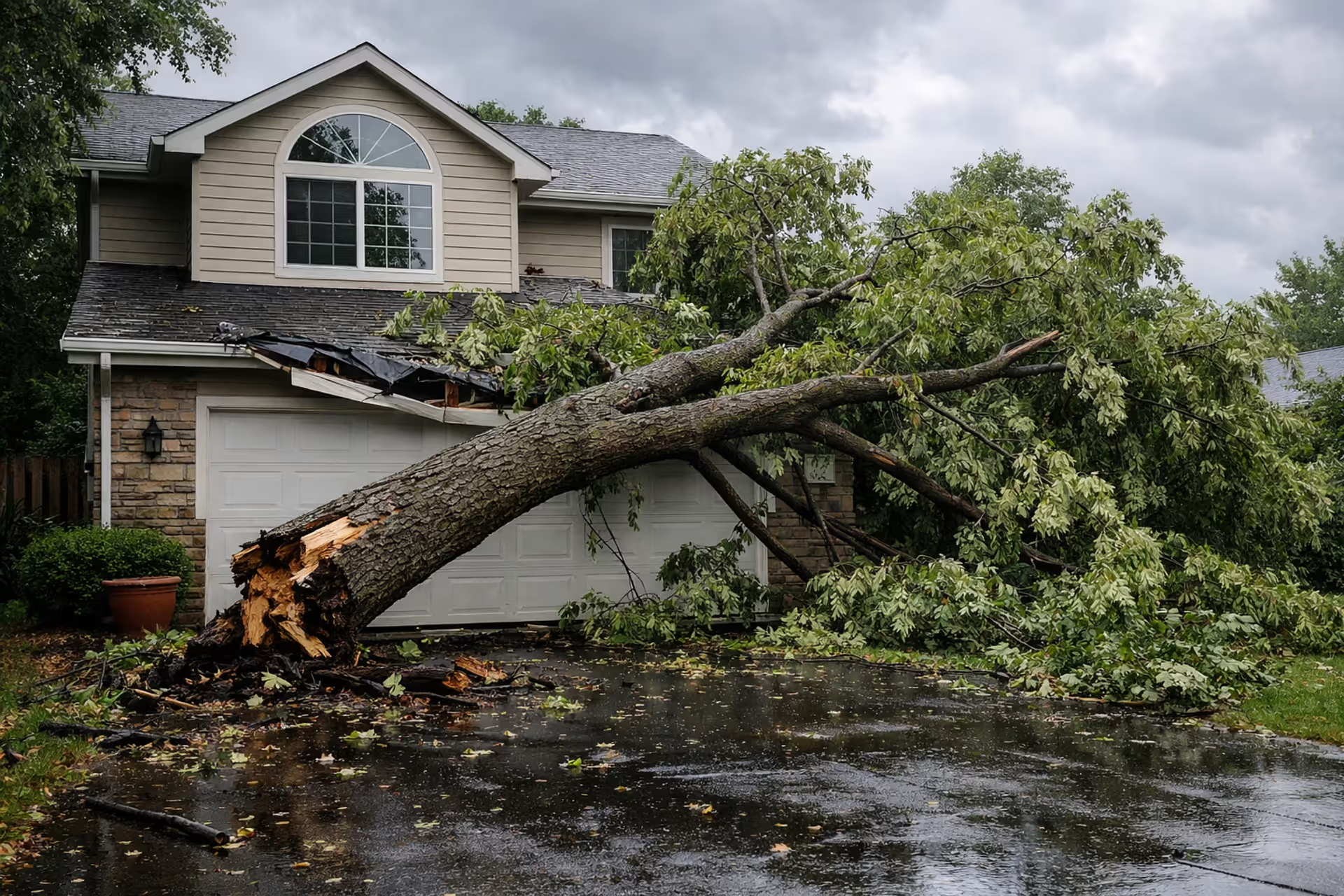
Named perils policies spell out an exact list of covered events. That list commonly includes fire and lightning strikes, windstorms and hail, explosions, riots, aircraft crashes into your home, vehicles smashing through your fence, smoke, vandalism and malicious mischief, theft, volcanic eruptions, falling objects (like tree limbs), ice and snow weight collapse, plus sudden water discharge from busted pipes or failed appliances.
Open perils coverage flips the script—everything's covered except what's specifically excluded in writing. You get broader protection but pay higher premiums. Most HO-3 policies (the standard form) use open perils for dwelling coverage but named perils for your personal belongings.
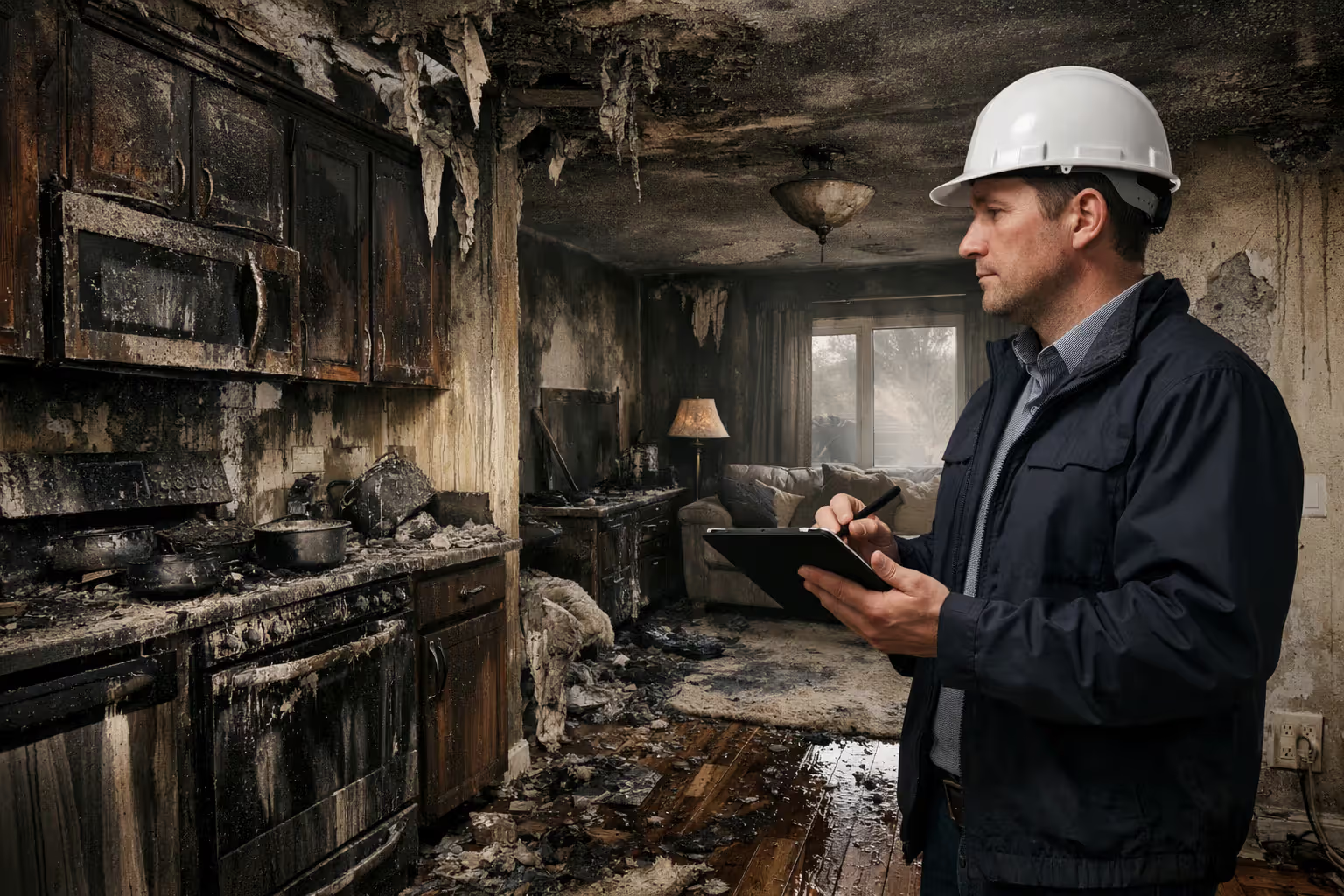
Fire claims dominate the major loss category. Whether started by cooking accidents, faulty wiring, lightning, or candles, fire damage to both structure and contents receives full coverage up to your limits. Smoke damage from that fire qualifies too, even in rooms where flames never reached.
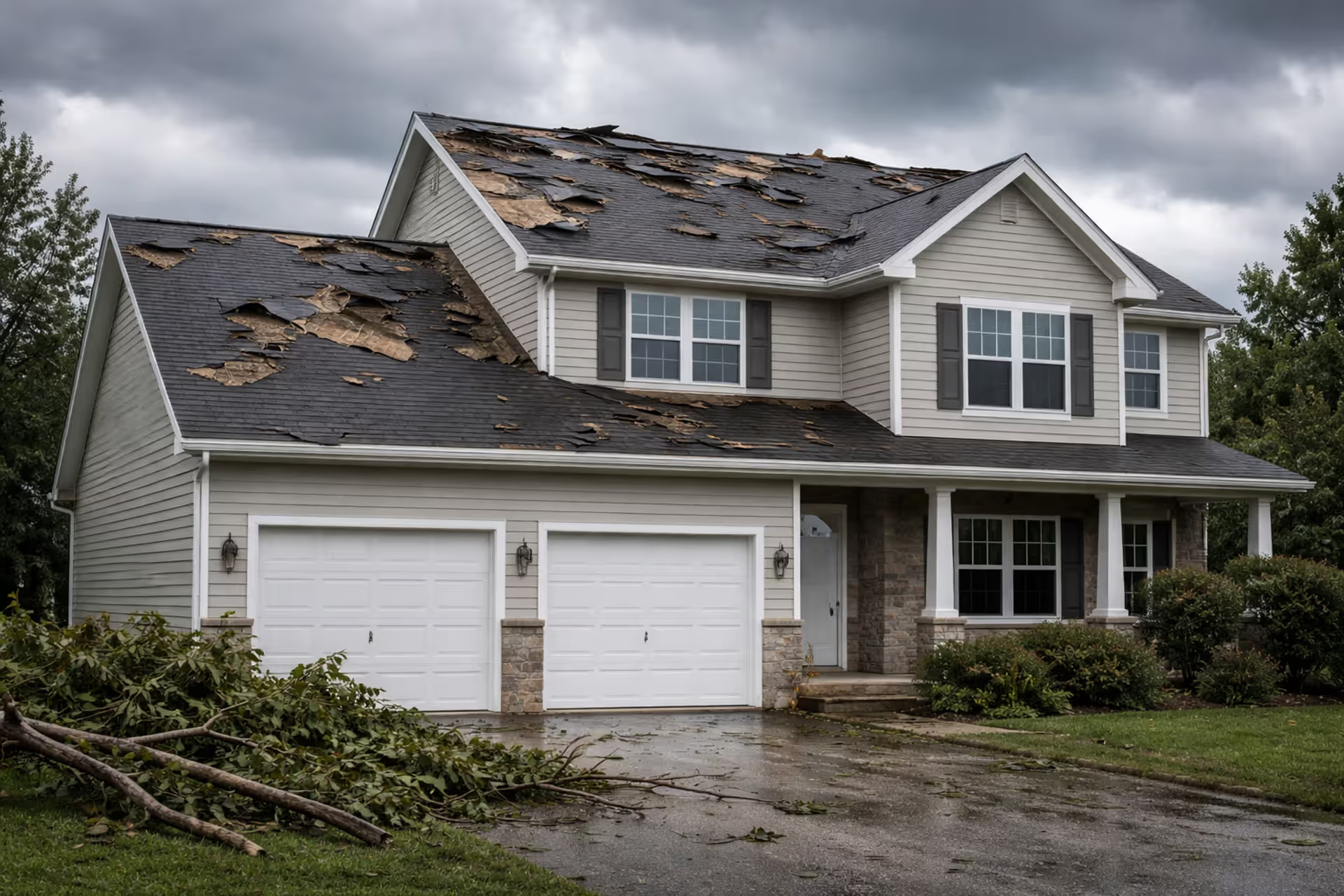
Wind and hail protection covers shingles ripped off during storms, siding damage, shattered windows, and related destruction. Coastal regions throw a curveball though—many policies there exclude wind entirely or impose separate (much higher) wind deductibles. If you're in hurricane country, read your wind provisions extremely carefully.
Theft and vandalism coverage applies whether you're present or away. Burglars steal your TV and gaming system? Vandals egg your house and key your car? Both trigger coverage. Personal property coverage reimburses stolen items (within those category limits mentioned earlier), while dwelling coverage fixes structural damage.
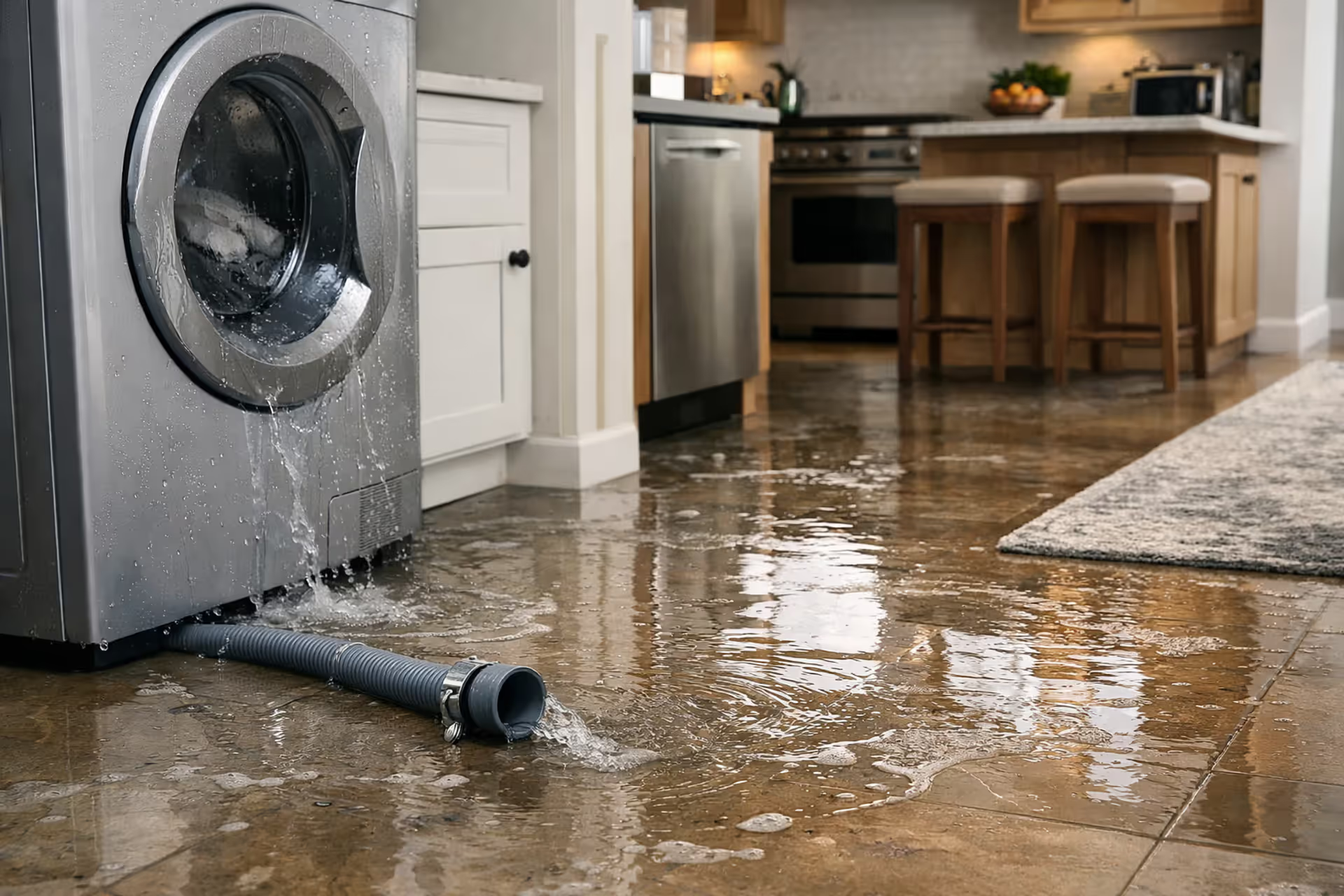
Sudden and accidental water damage from burst pipes, failed washing machine hoses, or ruptured water heaters typically qualifies. Notice those key words: "sudden" and "accidental." A pipe that slowly drips for three weeks before you notice it? That's a maintenance issue, not sudden, and gets denied.
Author: Nathaniel Porter;
Source: talero.spotpariz.net
Common Exclusions and What Home Insurance Doesn't Cover
Knowing what's excluded matters just as much—maybe more—than understanding inclusions. These gaps catch homeowners off-guard constantly.
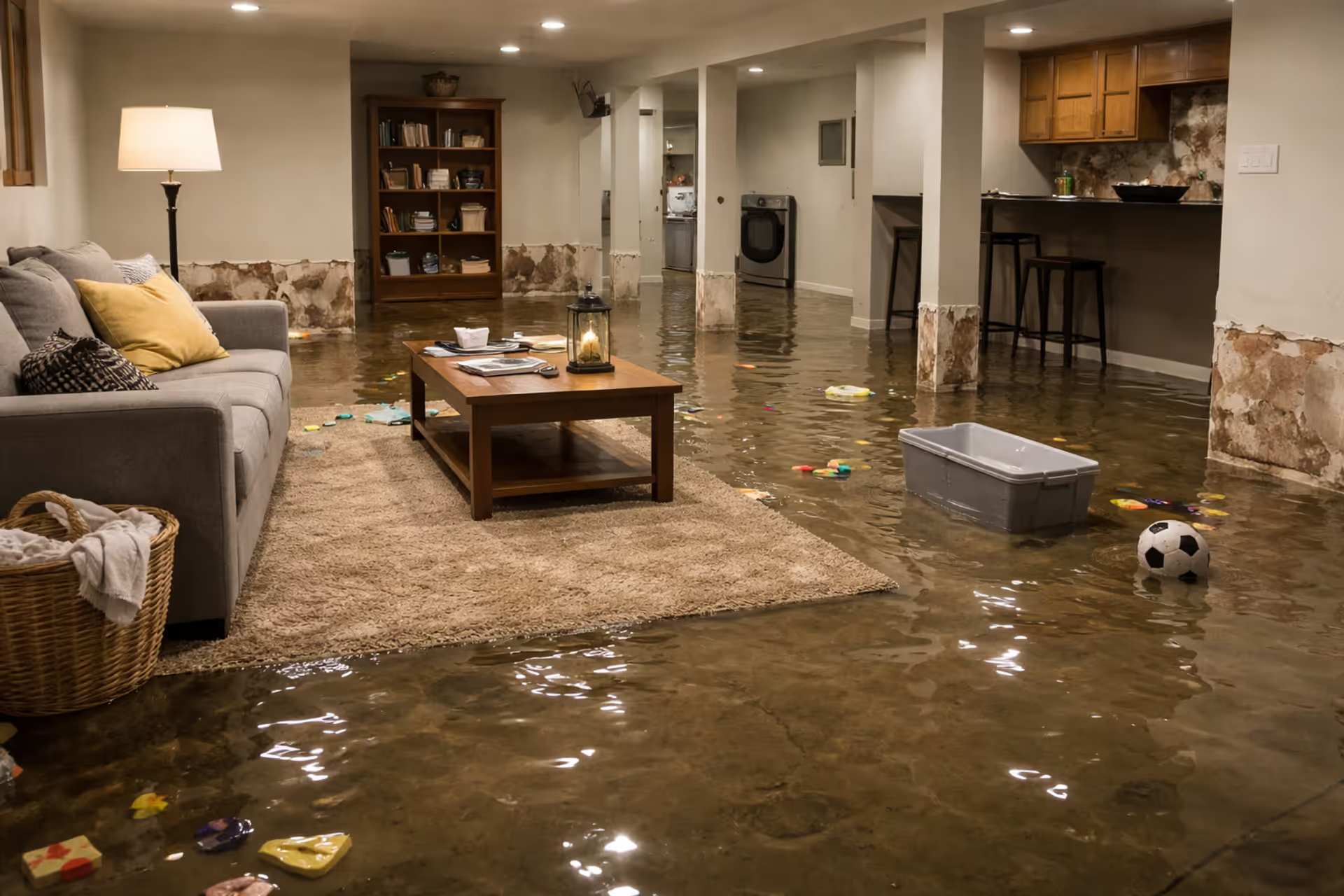
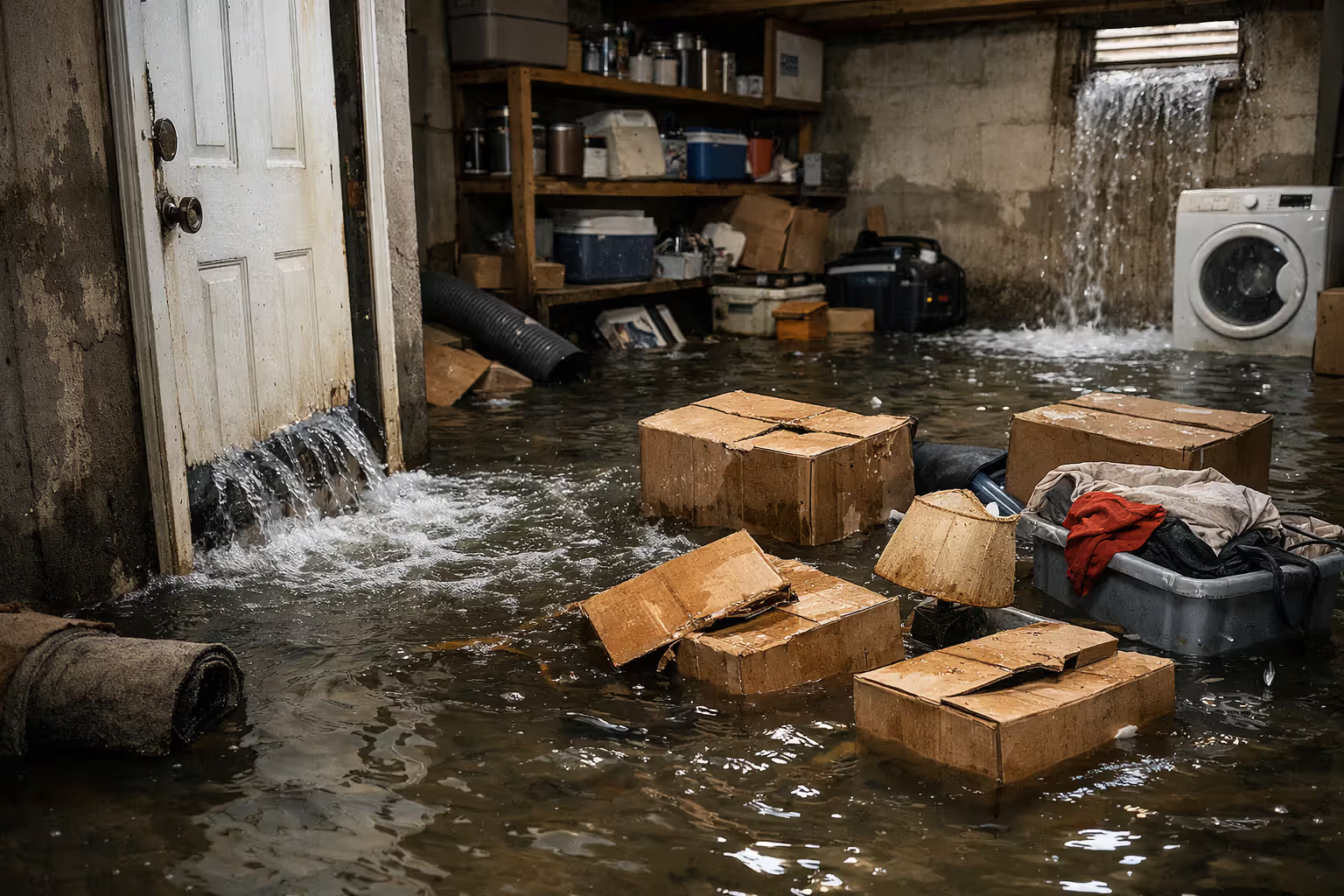
Flooding represents the single biggest exclusion trap. Standard homeowners policies specifically exclude water entering from outside your home—whether from overflowing rivers, storm surge, heavy rainfall runoff, or overwhelmed drainage systems. You need separate flood coverage through NFIP (National Flood Insurance Program) or private flood insurers. Don't assume you're safe in a "low-risk" flood zone either—about one in four flood claims come from areas outside high-risk flood maps.
Earthquakes require separate coverage via endorsement or standalone earthquake policies. This exclusion captures all earth movement: earthquakes, landslides, sinkholes, mudflows, earth settling. California, Washington, Oregon, Alaska, and parts of the Midwest and Southeast face real earthquake exposure that demands attention.
Wear, tear, deterioration, and deferred maintenance never qualify. Your insurance guards against sudden accidents, not inevitable aging. Roof leaks because your 30-year shingles finally gave out? You're replacing that roof yourself. Foundation cracks from decades of settling? Not covered. Mold from chronic moisture you ignored? Denied. Termite damage? Pest damage is universally excluded.
Certain water damage scenarios fall into murky territory. Sewer backup typically requires an add-on endorsement. Groundwater seepage through basement walls might get excluded as flood-related or earth movement. Roof leaks might be covered if wind first tore off shingles, but not if poor maintenance let them deteriorate naturally.
Business activities from home receive minimal or zero coverage under residential policies. Running a home business? Your business equipment, liability for business visitors, and lost income need separate business coverage or specialized endorsements. Even employees working remotely for regular employers should verify whether their expensive work equipment exceeds standard limits.
Intentional damage you cause, criminal acts by you, vacant home losses (homes sitting empty 30-60+ consecutive days), government seizures, war, and nuclear incidents all fall outside coverage boundaries.
How Coverage Limits Work
Each policy section caps payouts at specific dollar amounts. Those maximums profoundly affect your actual protection and recovery ability.
Your dwelling limit creates the policy's foundation. This figure should mirror true reconstruction costs using similar quality materials—not your home's real estate value. Market value includes land (which survives fires and doesn't need insurance) and fluctuates with location desirability rather than construction economics.
Extended replacement cost endorsements push your dwelling limit to 125-150% of the stated amount when construction costs surge unexpectedly. This cushion protects you when major disasters create contractor shortages, material supply disruptions, and price spikes across an entire region needing simultaneous repairs.
Replacement cost versus actual cash value determines payment calculations. Replacement cost coverage pays for new equivalent items without depreciation deductions. Actual cash value subtracts depreciation based on age and wear. Consider a 10-year-old roof with 25-year expected life—actual cash value might pay just 60% of replacement cost since the roof was 40% through its lifespan.
Most policies default to replacement cost for dwelling coverage. Personal property offers both options—replacement cost coverage for belongings adds roughly 10% to premiums but eliminates depreciation deductions that can cut payouts dramatically.
Sub-limits cap specific property categories no matter what your overall personal property limit says. Common caps include:
- Jewelry, watches, furs: $1,500 total
- Guns and firearms: $2,500 total
- Silverware, goldware, pewter: $2,500 total
- Cash, coins, banknotes: $200 total
- Securities, stamps, collectibles: $1,500 total
- Boats, trailers, motors: $1,500 total

Author: Nathaniel Porter;
Source: talero.spotpariz.net
These caps apply per claim event, not per individual item. Someone steals $8,000 in jewelry during a burglary? You're getting $1,500 unless you previously scheduled those pieces.
Scheduled personal property endorsements eliminate sub-limits for designated valuables. You submit appraisals, pay added premium based on declared value, then those items receive full appraised value if lost or destroyed. This approach works perfectly for engagement rings, art pieces, musical instruments, camera equipment, and collectibles exceeding standard caps.
Understanding Your Deductible
Deductibles represent your required out-of-pocket payment before insurance kicks in. This cost-sharing arrangement directly impacts both your premiums and eventual claim payments.
Standard deductibles run $500-$2,500, with $1,000 being most common. Some insurers offer percentage-based deductibles (1-5% of dwelling coverage) rather than flat amounts. On a $400,000 dwelling, that 2% percentage deductible equals $8,000—substantially more than a $1,000 flat deductible.
Raising deductibles cuts premiums since you're accepting greater financial responsibility. Bumping from $500 to $1,000 might trim 10-15% off premiums; jumping to $2,500 could slash 20-30%. Makes sense only if you've got emergency savings to cover that higher deductible when disaster actually strikes.
Deductibles apply per separate claim occurrence, not annually. File three unrelated claims in one year? You'll pay three separate deductibles. This structure discourages filing small claims that cost less than your deductible plus the premium hikes that inevitably follow claims.
Certain perils trigger special separate deductibles. Wind and hail damage in coastal or high-wind regions often carries distinct percentage deductibles (1-5% of dwelling amount) replacing your standard deductible. These wind deductibles create substantial out-of-pocket costs—a 3% wind deductible on a $500,000 dwelling means paying $15,000 yourself before insurance covers anything.
I recommend clients review their limits and deductibles every single year, particularly after renovations or major purchases.We constantly see claims where people discover they're catastrophically underinsured or their deductible exceeds what they can realistically pay. Spending 20 minutes reviewing your policy annually can prevent decades of financial hardship
— Jennifer Martinez
How to File a Home Insurance Claim
Filing claims efficiently means understanding the process before disaster forces you to learn on the fly.
Step 1: Secure the property and prevent additional damage. Policies require reasonable steps to protect property from further harm. Board up broken windows, tarp damaged roofs, shut off water to stop active leaks, document these protective measures with photos. Keep receipts—insurers reimburse reasonable emergency repairs.
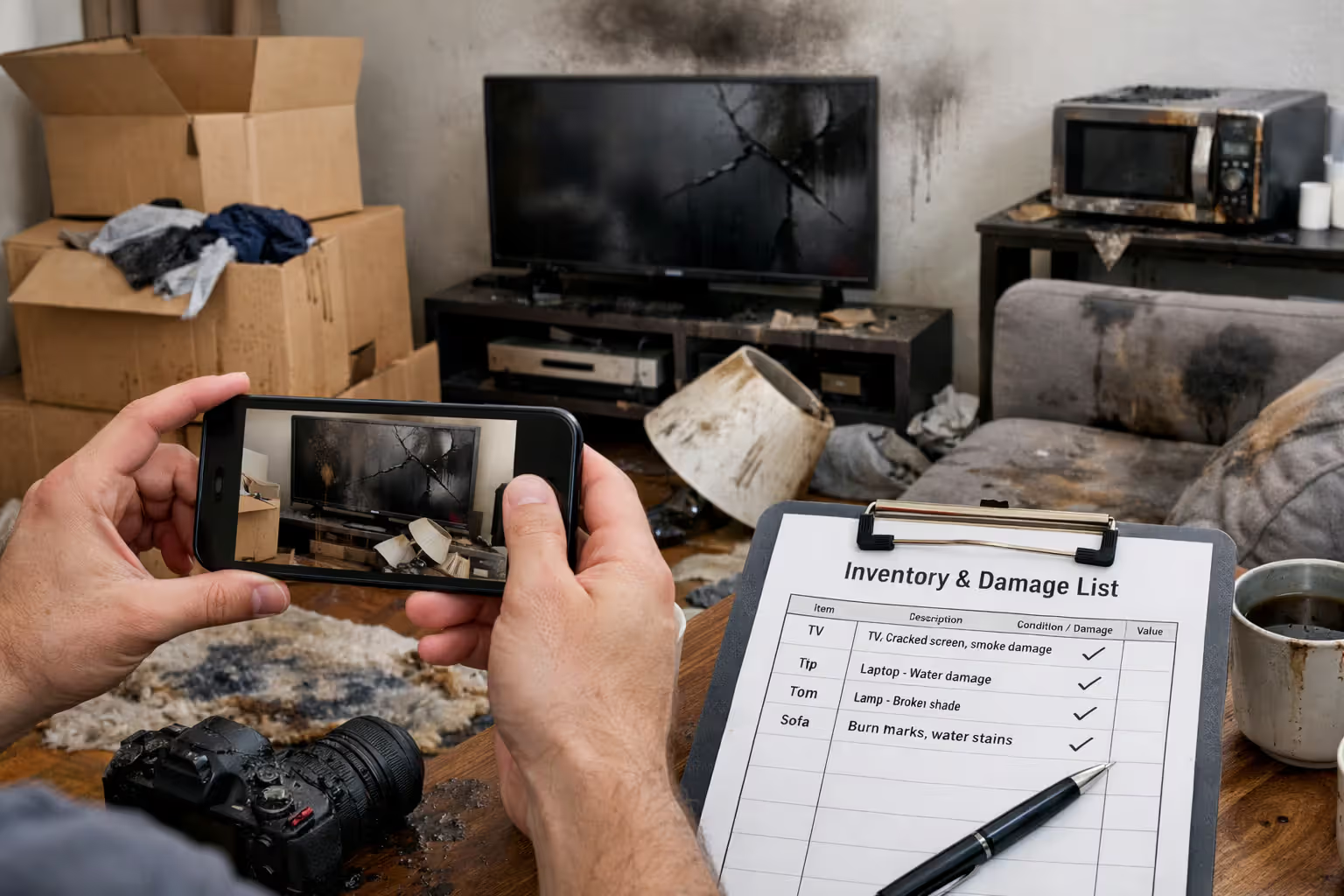
Step 2: Document everything before touching anything. Before cleanup or repairs begin, photograph and video all damage comprehensively. Take wide establishing shots showing overall damage scope plus detailed close-ups of individual damaged items. Record serial numbers on electronics and appliances. If health or safety requires discarding items immediately, photograph them before disposal.
Step 3: Notify your insurer quickly. While policies require "prompt" notification without defining exact timeframes, aim for contacting them within 24-48 hours. You'll receive a claim number and initial instructions. Many carriers now provide apps for photo submission and claim tracking.
Step 4: Inventory damaged property thoroughly. Document every single damaged item with detailed descriptions, approximate ages, original purchase prices when known. Organize room by room. Don't overlook small items—spices, cleaning products, toiletries add up fast. Receipts help but aren't mandatory; adjusters work from descriptions and reasonable estimates.
Author: Nathaniel Porter;
Source: talero.spotpariz.net
Step 5: Walk through damage with the adjuster. Your insurer dispatches an adjuster to inspect damage, usually within days for urgent claims. Tour them through all damage areas, share your documentation, ask questions freely. Adjusters estimate repair costs and determine coverage applicability under your specific policy terms.
Step 6: Evaluate the settlement proposal carefully. After inspection, the insurer sends a settlement offer reflecting the adjuster's findings. Compare it meticulously against your documentation. Disagree with the amount? You can negotiate, supply additional evidence, or request re-inspection. Never feel pressured to accept initial offers.
Step 7: Complete repairs and provide final receipts. Replacement cost policies generally pay actual cash value upfront, then reimburse depreciation after you finish repairs and submit contractor invoices. Retain all contractor bills and material receipts. Final depreciation payments typically arrive within 30 days of receipt submission.
Straightforward dwelling claims usually settle within 30-60 days, though complicated situations involving extensive damage or coverage disputes can drag on for months. Personal property claims often resolve faster since they involve less investigation and fewer contractor estimates.
Frequently Asked Questions About Home Insurance Coverage
Homeowners insurance delivers crucial protection—but only when you genuinely understand your actual coverage versus where dangerous gaps lurk. The four-part structure—dwelling, belongings, liability, temporary living costs—establishes the framework, yet coverage caps, deductible requirements, and exclusions dramatically shape your real financial protection after losses.
Annual policy reviews matter, especially following renovations, major purchases, or construction cost inflation. Confirm your dwelling limit reflects current building costs, not outdated estimates from years past. Weigh whether replacement cost coverage for belongings justifies the modest premium bump. Match your deductible against your emergency fund—premium savings from high deductibles help only if you can actually afford them when filing claims.
Close coverage gaps before disasters hit. Flood-prone locations need flood insurance. Seismically active regions warrant earthquake coverage. Valuable items exceeding sub-limits require scheduling. Home businesses demand separate business coverage or endorsements. You can't buy flood insurance while water's rising or earthquake coverage during ground shaking.
Understanding homeowners insurance transforms your policy from confusing paperwork into strategic financial protection. Time spent mastering your policy's provisions, limits, and exclusions delivers enormous returns by preventing horrible coverage surprises and ensuring adequate protection for your largest asset.