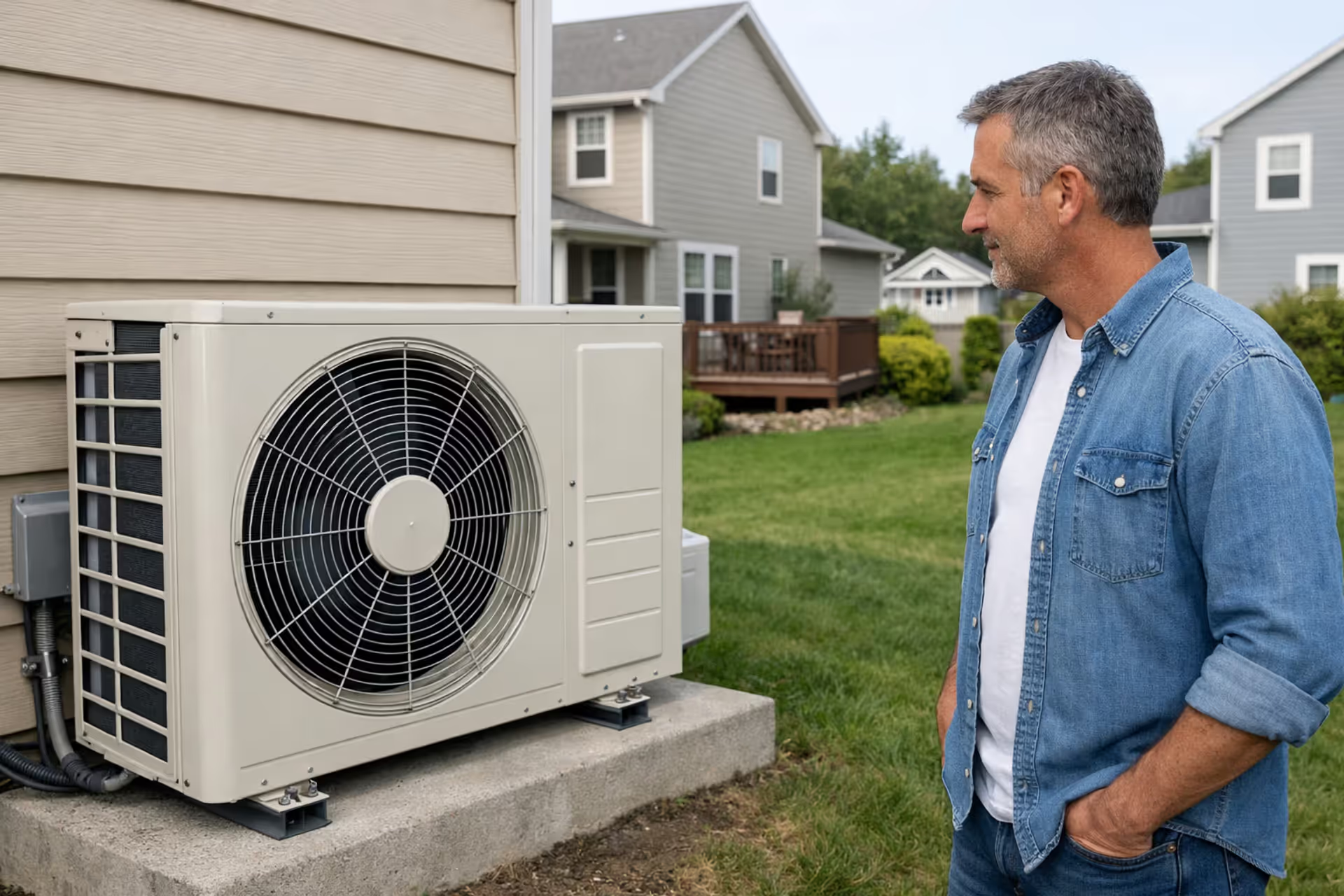
Homeowner standing near outdoor air conditioning unit beside a house
Does Homeowners Insurance Cover HVAC Systems?

Content
When your air conditioner stops blowing cold air in July or your furnace fails during a January cold snap, the repair bill can easily run into thousands of dollars. Many homeowners wonder whether their insurance policy will help cover these unexpected costs. The answer depends on what caused the damage, how well you've maintained your system, and what type of coverage you carry.
HVAC systems represent a significant investment in your home's infrastructure. Understanding when homeowners insurance covers heating and cooling equipment—and when it doesn't—can save you from financial surprises and help you make informed decisions about protecting these essential systems.
How Homeowners Insurance Handles HVAC Coverage
Homeowners insurance operates on a named-perils basis for most policies, meaning coverage applies only when damage results from specific events listed in your policy. The fundamental principle behind HVAC coverage is simple: insurance protects against sudden, accidental damage from covered perils, not against predictable deterioration or mechanical failure from normal use.
The does homeowners insurance cover hvac definition centers on cause and timing. If a lightning strike fries your AC unit's compressor, that's sudden and accidental. If your fifteen-year-old furnace gradually loses efficiency and finally quits, that's expected wear and tear. Insurance companies draw a clear line between these scenarios.
Your policy's dwelling coverage typically includes permanently installed HVAC equipment as part of your home's structure. This means your central air conditioning system, furnace, ductwork, and related components fall under the same coverage that protects your roof and walls. However, this doesn't mean every HVAC problem triggers a claim.
The key distinction revolves around maintenance versus damage. Insurance assumes you'll perform regular upkeep—changing filters, scheduling annual tune-ups, addressing minor issues before they escalate. When proper maintenance happens and something still goes wrong due to a covered event, coverage generally applies. When neglect causes the problem, you'll pay out of pocket.
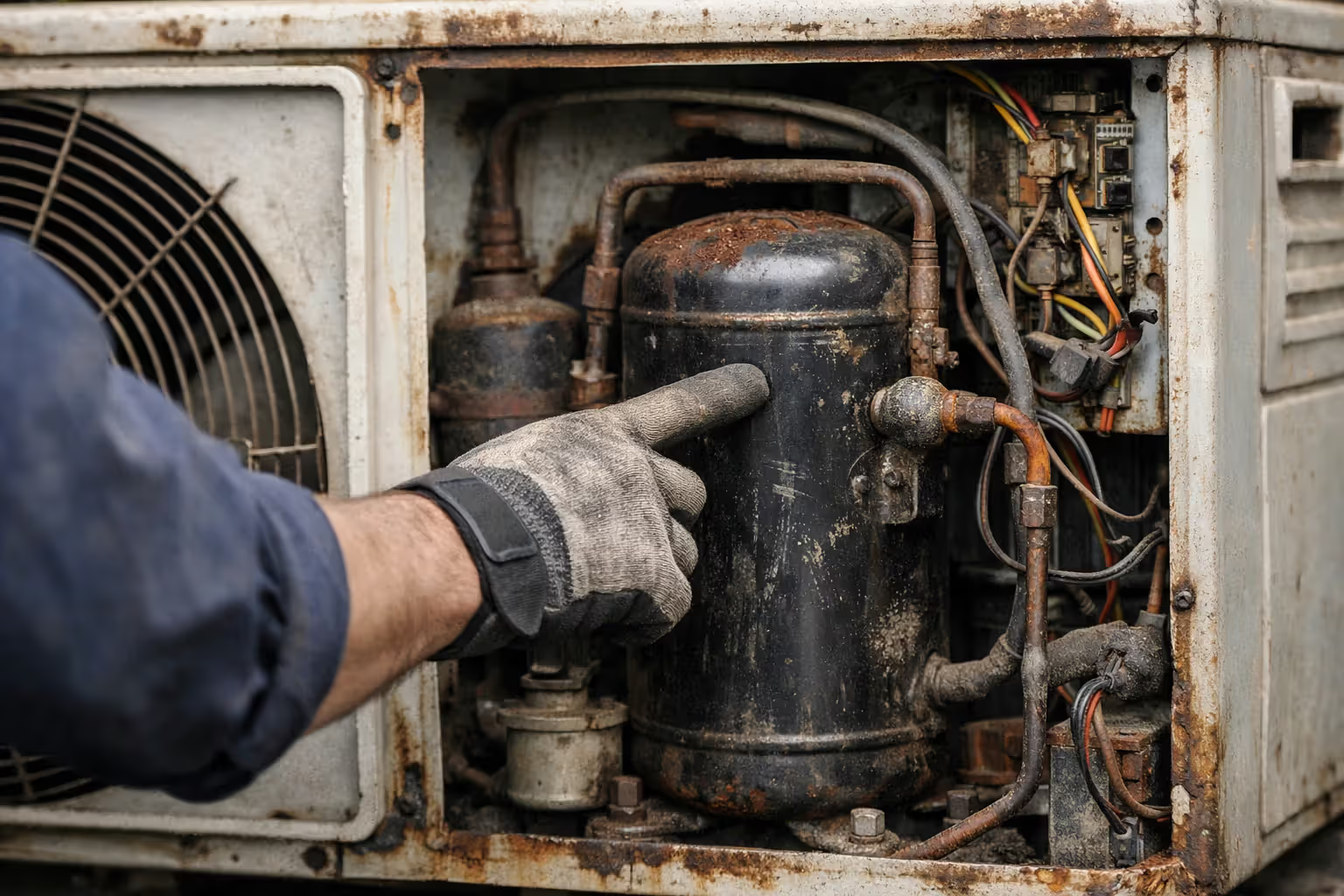
Most standard policies exclude mechanical breakdown from normal wear. Your ten-year-old compressor that fails because internal parts wore out isn't covered under basic homeowners insurance. This exclusion catches many homeowners by surprise, since they assume anything attached to their house falls under their policy's protection.
Author: Trevor Whitfield;
Source: talero.spotpariz.net
What HVAC Damage Is Typically Covered
Understanding which scenarios trigger coverage helps you know when to file a claim and when to reach for your checkbook instead.
Common Covered Scenarios
Fire damage ranks among the most straightforward covered perils. If an electrical fire starts in your furnace and damages the unit, your policy covers replacement or repair. Similarly, if a house fire from any source damages your HVAC system, dwelling coverage applies.
Lightning strikes cause sudden, dramatic damage that clearly falls under covered perils. A direct strike can destroy circuit boards, fry compressors, and melt wiring. Even nearby strikes can send power surges through your system. These events are textbook examples of sudden, accidental damage.
Vandalism coverage extends to HVAC equipment. If someone breaks into your outdoor AC unit and steals copper components or deliberately damages your system, you can file a claim. This protection includes damage from break-ins where thieves target HVAC units for scrap metal.
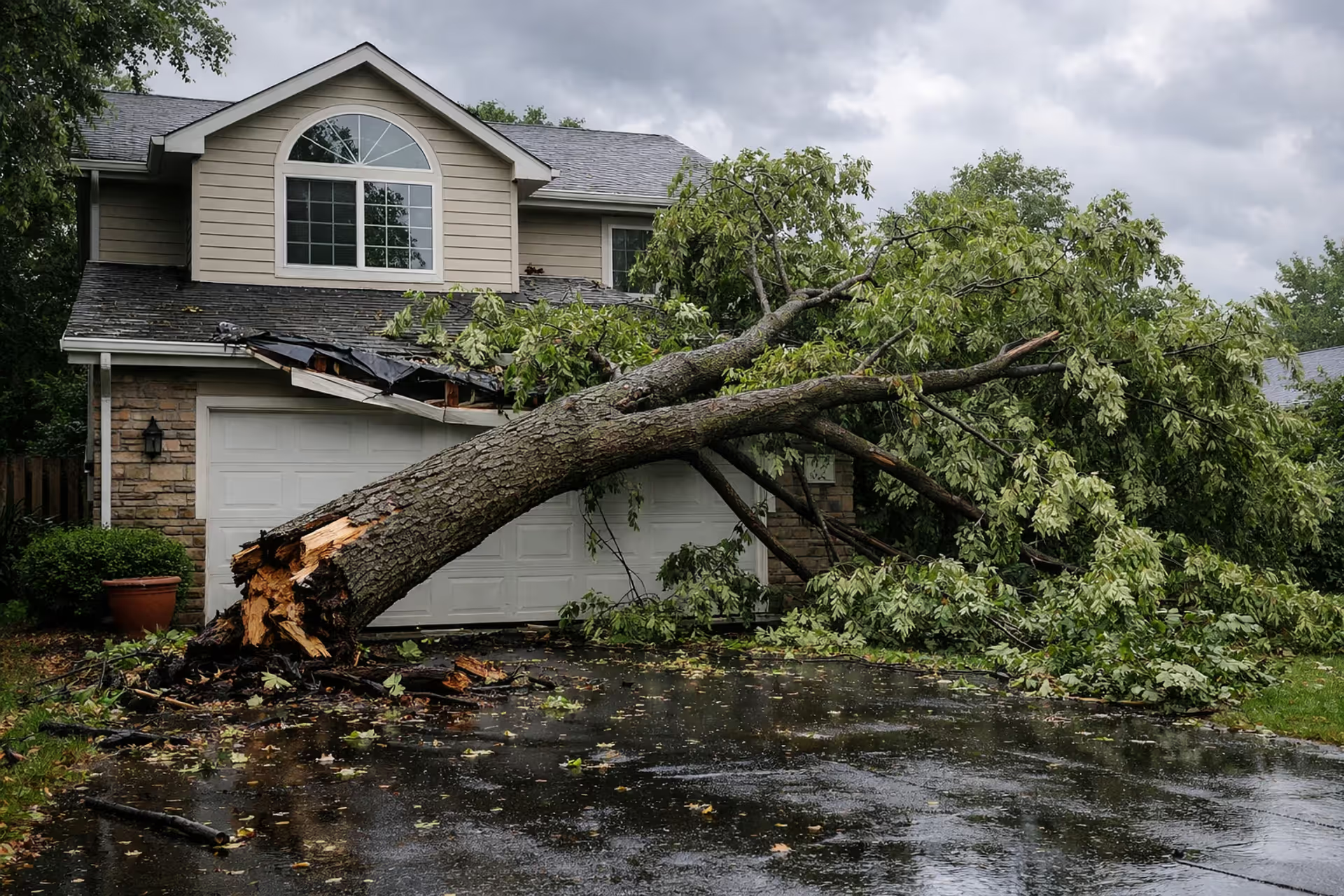
Falling objects—whether a tree limb crashes onto your outdoor condenser during a storm or construction debris damages your rooftop unit—typically qualify for coverage. The damage must result from the impact itself, not from neglecting to trim dangerous branches you knew posed a risk.
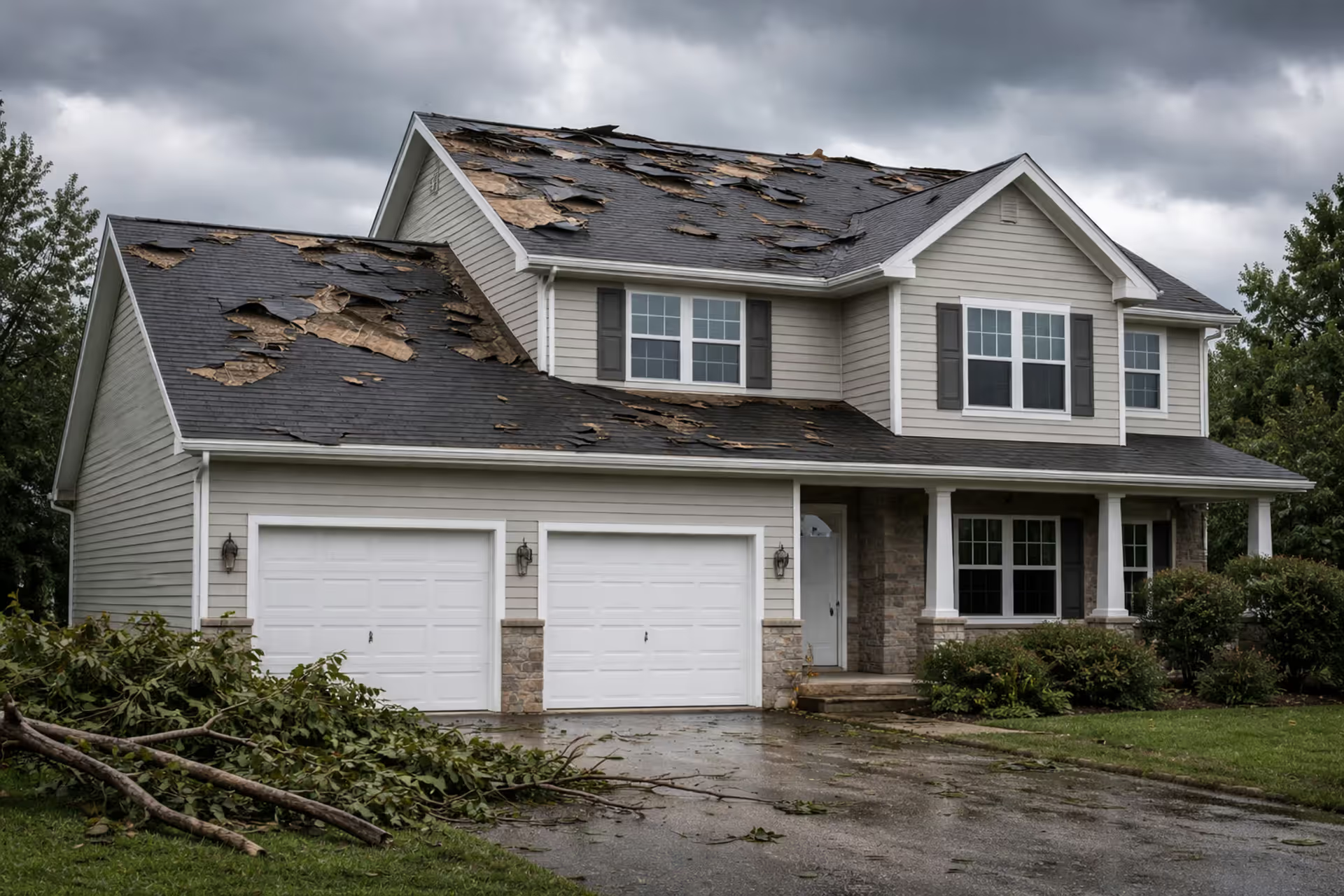
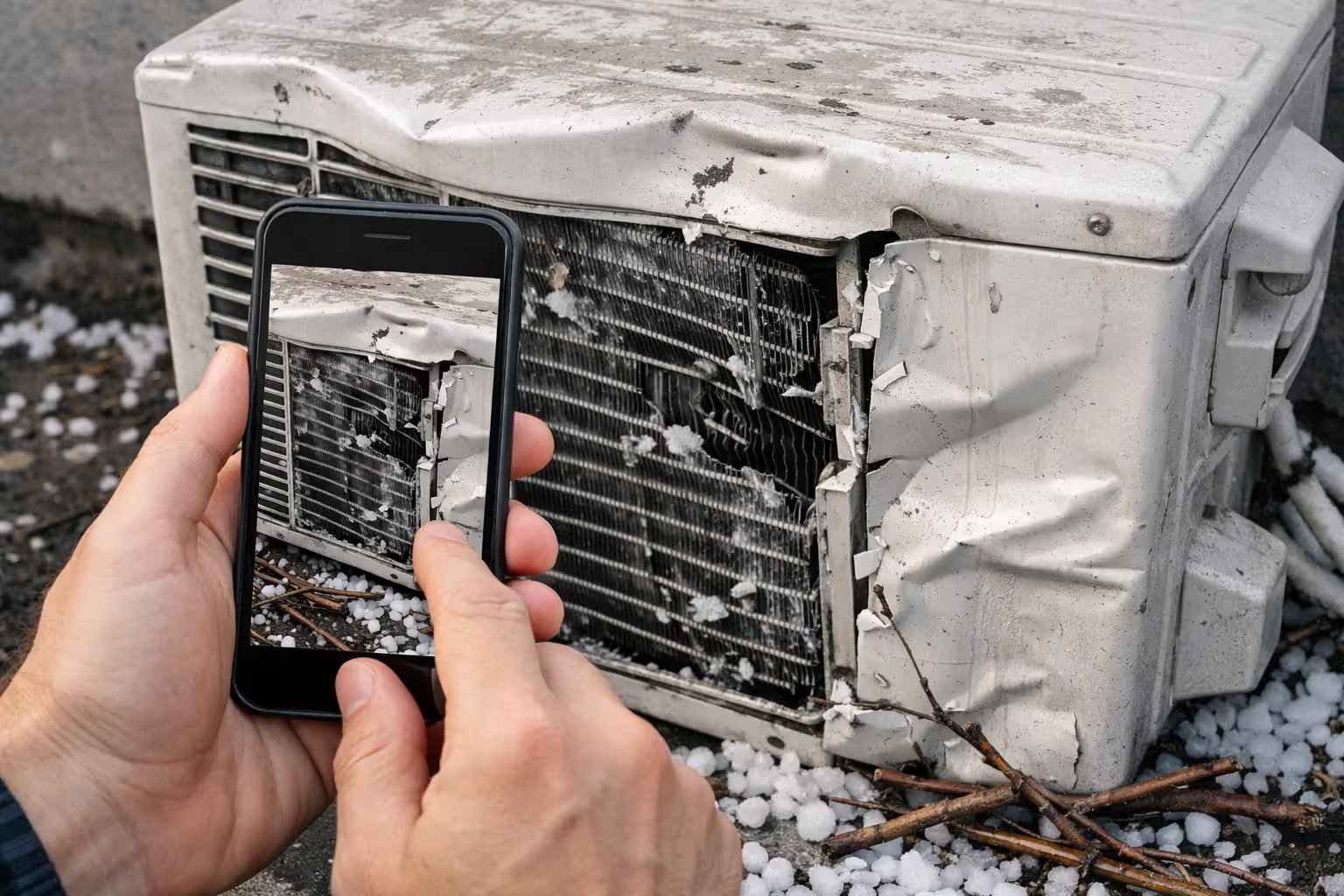
Wind and hail damage to outdoor units falls under most policies' covered perils. A severe hailstorm that dents your condenser coils or a windstorm that topples your unit qualifies for coverage, assuming your policy includes these perils without special exclusions.
What's Usually Excluded
The exclusions list often runs longer than covered scenarios. Gradual deterioration tops every policy's exclusion list. Your heat exchanger that develops cracks after twelve years of thermal cycling isn't covered. The compressor that fails because internal bearings wore down over time doesn't qualify.
Freezing damage carries specific conditions. If you maintain heat in your home and pipes still freeze during an extreme cold snap, you might have coverage. If you turn off heat while traveling and don't properly winterize your system, the resulting damage is excluded.
Rust, corrosion, and mold result from environmental conditions and time. Insurance doesn't cover replacing a corroded evaporator coil or cleaning mold from ductwork that developed because of persistent humidity issues.
| Type of Damage | Typically Covered? | Why/Why Not |
| Lightning strike to AC unit | Yes | Sudden, accidental damage from named peril |
| Fire originating in furnace | Yes | Fire is a standard covered peril |
| Vandalism/theft of outdoor unit | Yes | Malicious damage by third parties covered |
| Tree falls on condenser during storm | Yes | Falling object from covered weather event |
| Compressor fails after 12 years | No | Normal wear and tear, expected failure |
| Frozen pipes from lack of heat | No | Maintenance issue, preventable damage |
| Rust damage to heat exchanger | No | Gradual deterioration over time |
| AC stops working, no identifiable cause | No | Mechanical breakdown not from covered peril |
| Hail damage to outdoor coils | Yes | Direct damage from weather event |
| Poor installation causes premature failure | No | Defective workmanship exclusion applies |
When Your Policy Won't Cover HVAC Repairs
Understanding how does homeowners insurance cover hvac works requires knowing the boundaries of protection. Most denied claims fall into predictable categories that homeowners could have anticipated.
Age-related failure represents the most common exclusion. Every mechanical system has a lifespan. Furnaces typically last 15-20 years, central air conditioners 12-15 years. When components fail within these expected timeframes without a sudden external cause, insurance considers it a homeowner maintenance responsibility.
Lack of maintenance voids coverage even when damage might otherwise qualify. If you haven't changed filters in two years and your system overheats, the insurance company will likely deny your claim. Most policies include language requiring reasonable maintenance and care. Skipping annual professional inspections, ignoring strange noises, or delaying minor repairs can all provide grounds for denial.
Pre-existing conditions discovered during claims investigation lead to denials. If your adjuster finds evidence that your heat exchanger was cracked before the incident you're claiming caused damage, expect a denial. This makes documentation of your system's condition before any incident valuable.
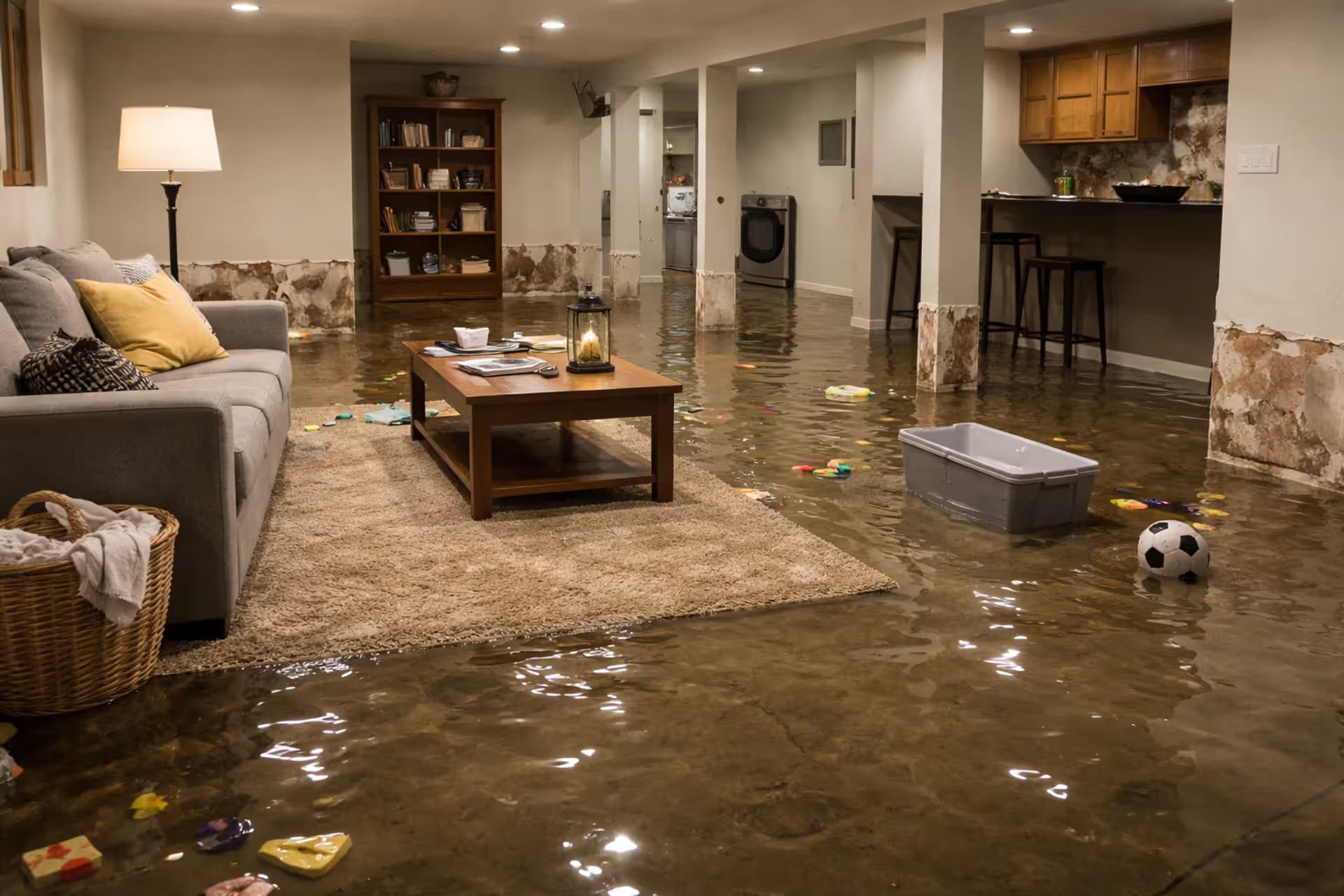
Flood damage requires separate flood insurance. Standard homeowners policies exclude flooding, which includes water that enters your home from outside sources. If your HVAC system sits in a basement that floods during heavy rain, you won't have coverage unless you carry flood insurance.
Power surges from utility company issues occupy a gray area. Some policies cover surge damage, others exclude it, and many require specific endorsements. A lightning strike causing a surge is covered; voltage fluctuations from the power grid might not be.
Improper repairs or modifications void coverage. If you hired an unlicensed contractor who installed your system incorrectly and it fails, insurance won't cover the damage. Similarly, DIY modifications that cause problems leave you without recourse.
The number one reason we deny HVAC claims is lack of documentation showing the damage was sudden rather than gradual. Homeowners call saying their AC stopped working, but when we inspect it, we find years of deferred maintenance, dirty coils, and worn components. Without evidence of a specific sudden event—a storm, power surge, or other identifiable incident—we can't approve the claim. My advice: document your system's working condition with photos and maintenance records, and call us immediately when something sudden happens, not three weeks later when the heat becomes unbearable
— Robert Chen
Understanding Your Coverage Limits and Deductibles
Your dwelling coverage limit determines the maximum your policy pays for all structural damage, including HVAC systems. If you carry $300,000 in dwelling coverage, your HVAC system shares that limit with your roof, walls, and other structural components. For most HVAC claims, this limit provides more than adequate coverage, since even complete system replacement rarely exceeds $15,000-$20,000.
The does homeowners insurance cover hvac coverage limits question extends beyond maximum payout to how insurers calculate what they owe. Two valuation methods dramatically affect your reimbursement: actual cash value (ACV) and replacement cost value (RCV).
Actual cash value factors in depreciation. If your ten-year-old AC unit cost $6,000 when new and has a fifteen-year lifespan, the insurer calculates you've used two-thirds of its useful life. They'll pay approximately $2,000 (one-third of original value) minus your deductible. You're responsible for the difference between that amount and the cost of a new unit.
Replacement cost coverage pays to replace your damaged equipment with new, similar equipment without deducting for depreciation. Under this coverage type, if your ten-year-old $6,000 AC unit is destroyed, you receive enough to purchase a comparable new unit (often subject to holdback until you complete the replacement).
The does homeowners insurance cover hvac deductible explained becomes straightforward once you understand how deductibles apply. Your deductible—commonly $500 to $2,500—comes off the top of any claim payment. If your covered HVAC damage costs $4,000 to repair and you have a $1,000 deductible, you receive $3,000.
| Coverage Type | What It Means | HVAC Example |
| Actual Cash Value (ACV) | Pays current value minus depreciation | 10-year-old $6,000 AC unit destroyed: receive ~$2,000 (minus deductible) based on remaining useful life |
| Replacement Cost Value (RCV) | Pays to replace with new equivalent without depreciation | Same 10-year-old $6,000 unit: receive cost of new comparable unit (minus deductible), often $5,500-$7,000 |
| Equipment Breakdown Endorsement | Covers mechanical/electrical failure without external cause | Compressor fails due to internal motor burnout: covered for repair/replacement even without sudden external event |
Equipment breakdown endorsements (sometimes called mechanical breakdown coverage) fill the gap standard policies leave. For an additional premium—typically $50-$150 annually—this coverage protects against sudden mechanical or electrical failure even without an external cause. Your compressor that fails because of an internal short circuit would be covered, as would a furnace that stops working due to a failed control board.
This endorsement doesn't cover wear and tear or maintenance issues, but it does cover sudden breakdowns that aren't tied to named perils. For homes with aging HVAC systems, this relatively inexpensive addition provides valuable peace of mind.

Author: Trevor Whitfield;
Source: talero.spotpariz.net
How to File an HVAC Insurance Claim
The does homeowners insurance cover hvac claim process begins the moment you discover damage. Acting quickly and documenting thoroughly improves your chances of a smooth, successful claim.
Step 1: Document the damage immediately. Take photos and videos of your HVAC system showing the damage from multiple angles. Capture any visible signs of the cause—scorch marks from lightning, dents from hail, debris from fallen trees. If your system simply stopped working, photograph the thermostat showing it's not responding and any error codes displayed on the unit.
Step 2: Identify and document the cause. Insurance needs to connect damage to a covered peril. If a storm preceded your AC failure, note the date and severity. Check weather records. If you heard a loud bang or saw a flash, document those observations in writing while fresh in your memory. The stronger your evidence linking damage to a sudden, covered event, the smoother your claim proceeds.
Step 3: Mitigate further damage. You're required to prevent additional damage. If your furnace failure risks frozen pipes, use space heaters to maintain temperature. Keep receipts for reasonable mitigation expenses—your policy may reimburse them even if the underlying claim is denied.
Step 4: Contact your insurance company promptly. Most policies require "prompt" notification. Waiting weeks undermines your claim. Call your insurer's claims line, provide your policy number, and explain what happened. They'll assign a claim number and adjuster.
Step 5: Get a professional assessment. Have a licensed HVAC contractor inspect your system and provide a written estimate. Their professional opinion on what caused the failure carries weight. Make sure they note whether damage appears sudden or gradual, and whether maintenance was current.
Step 6: Meet with the adjuster. Your insurance company will send an adjuster to inspect the damage. Provide all documentation—photos, contractor estimates, maintenance records, and any evidence of the sudden event that caused damage. Be honest and thorough. Adjusters investigate discrepancies, and inconsistencies raise red flags.
Step 7: Review the adjuster's determination. The adjuster will assess whether damage resulted from a covered peril, calculate the payout based on your coverage type, and subtract your deductible. Review their report carefully. If you disagree with their findings, you can request reconsideration with additional evidence or seek a second opinion from another contractor.
Step 8: Complete repairs and submit final documentation. If you have replacement cost coverage, insurers often issue initial payment at actual cash value, then pay the depreciation holdback once you complete repairs and submit receipts. Keep all invoices and proof of work completion.
Timeline expectations vary, but most straightforward HVAC claims resolve within two to four weeks. Complex claims involving disputes over cause or coverage can extend several months. Emergency situations may qualify for advance payments to restore essential heating or cooling.
Author: Trevor Whitfield;
Source: talero.spotpariz.net
Ways to Protect Your HVAC Investment
Prevention beats claims filing. Several strategies reduce your risk of uncovered HVAC expenses.
Maintain regular service schedules. Annual professional inspections catch small problems before they become major failures. Most manufacturers and insurance companies recommend professional service twice yearly—spring for AC, fall for heating. Document every service visit with receipts and written reports. This paperwork proves you met maintenance requirements if you ever file a claim.
Keep detailed records. Create a file for your HVAC system including installation date, model and serial numbers, warranty information, service records, and photos showing the system in good condition. Update photos annually. This documentation proves your system's baseline condition and your maintenance diligence.
Consider an equipment breakdown endorsement. For $50-$150 per year, you gain coverage for mechanical failures that standard policies exclude. This endorsement makes sense if your HVAC system is aging but still functional, or if replacement costs would strain your budget.
Evaluate home warranty alternatives. Home warranties operate differently from insurance. They're service contracts that cover repair or replacement of systems and appliances that fail from normal wear and tear—exactly what homeowners insurance excludes. Annual costs run $300-$600 with service call fees of $75-$125. For homes with older HVAC systems, warranties can provide cost-effective protection, though they come with limitations, waiting periods, and coverage caps.
Protect outdoor units. Install hail guards over condenser units in hail-prone areas. Secure units properly to prevent wind damage. Trim trees and remove debris that could fall on equipment. These simple steps prevent damage that, while covered, still costs you a deductible and potential rate increases.
Upgrade surge protection. Whole-house surge protectors cost $200-$500 installed and protect all your home's systems from power surges. While insurance might cover surge damage, preventing it avoids the hassle of claims and protects electronics throughout your home.
Understand your policy specifics. Review your policy annually. Know whether you have ACV or RCV coverage, your deductible amount, and what endorsements you carry. Contact your agent with questions before you need to file a claim.
Frequently Asked Questions About HVAC Insurance Coverage
HVAC coverage under homeowners insurance follows clear but often misunderstood rules. Your policy protects against sudden damage from covered perils—fire, lightning, vandalism, storms—but excludes the gradual wear that eventually claims every mechanical system. Understanding this distinction helps you know when to file a claim and when to budget for out-of-pocket repairs.
The difference between covered and excluded damage often comes down to documentation and maintenance. Keep detailed service records, photograph your system regularly, and address problems promptly. When sudden damage occurs, document everything immediately and contact your insurer without delay.
For comprehensive protection, consider layering coverage: standard homeowners insurance for sudden perils, equipment breakdown endorsements for mechanical failures, and home warranties for wear-and-tear issues. Each addresses different risks, and together they minimize your exposure to unexpected HVAC expenses.
Review your policy today. Verify your coverage type, understand your deductible, and confirm what endorsements you carry. A few minutes of review now prevents confusion and disappointment when your system needs expensive repairs. Your HVAC system keeps your home comfortable year-round—make sure you understand exactly how your insurance protects this critical investment.