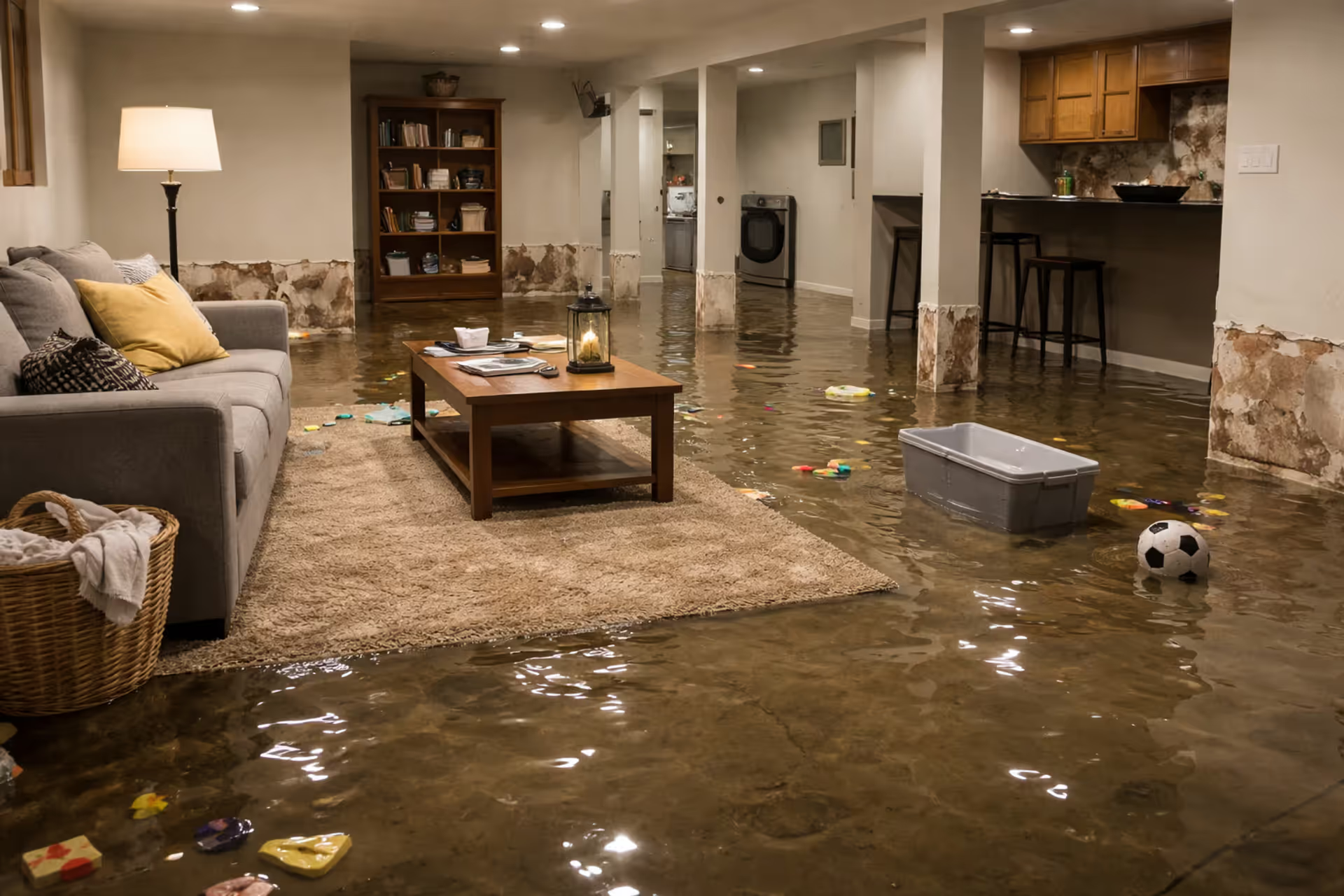
Water-damaged basement in a home interior
Does Home Insurance Cover Water Damage?

Content
About 20% of homeowners insurance claims in the U.S. involve water damage, yet most people don't understand their policy until disaster strikes. Picture this: you wake up at 2 a.m. to the sound of rushing water in your basement, or you notice an expanding brown stain creeping across your bedroom ceiling. That's when knowing your coverage details becomes urgent.
Here's what you need to know upfront: most policies pay for unexpected, accidental water incidents—think burst pipes—but won't touch flooding, slow leaks you've ignored for months, or problems caused by skipping basic maintenance. The distinction between these categories can mean the difference between a $15,000 insurance check and paying that same amount out of your own pocket.
What Water Damage Does Home Insurance Cover
Your policy draws a hard line between incidents it will and won't pay for. The main question insurers ask: Did this happen suddenly, or could you have prevented it?
Sudden and Accidental Water Damage
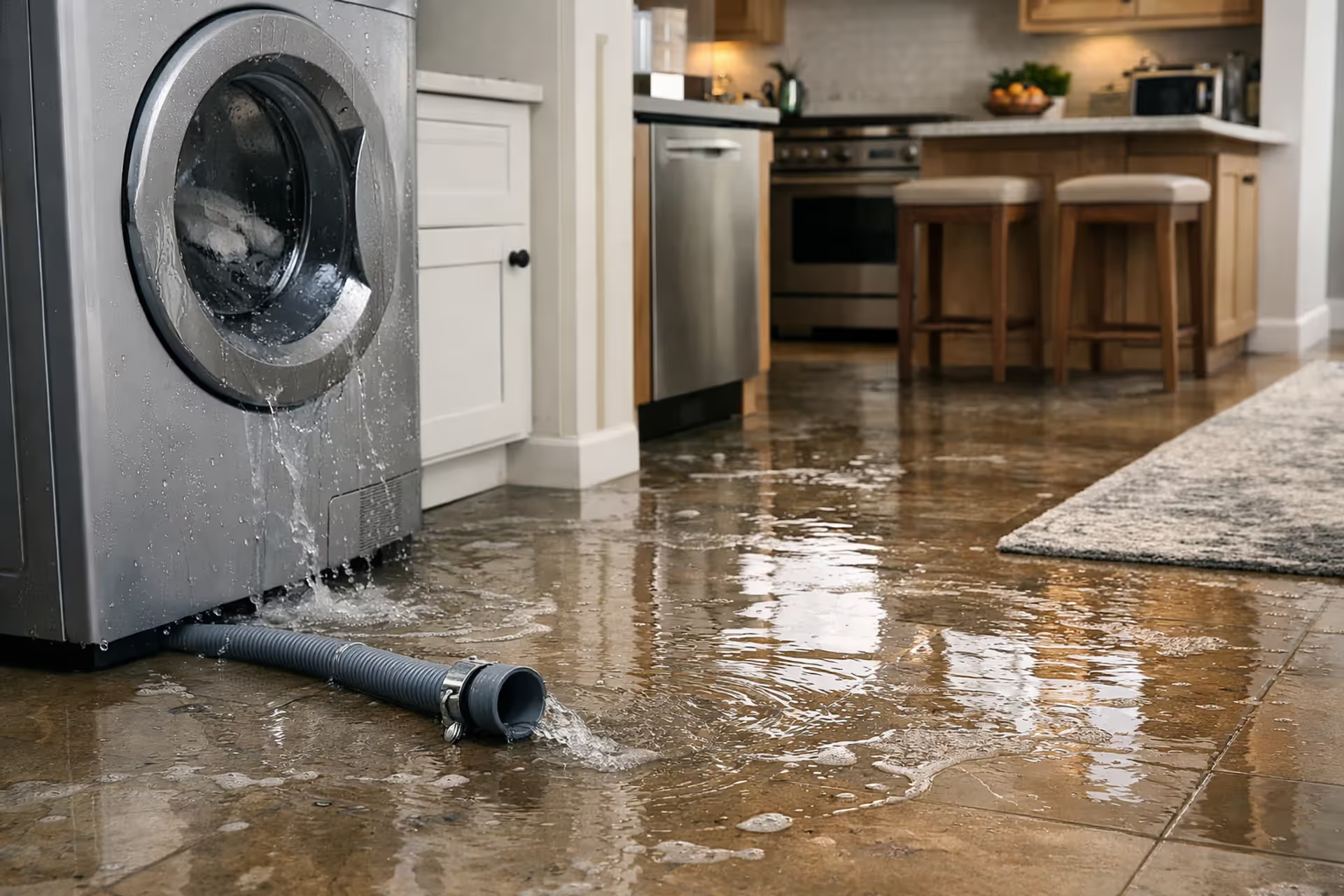
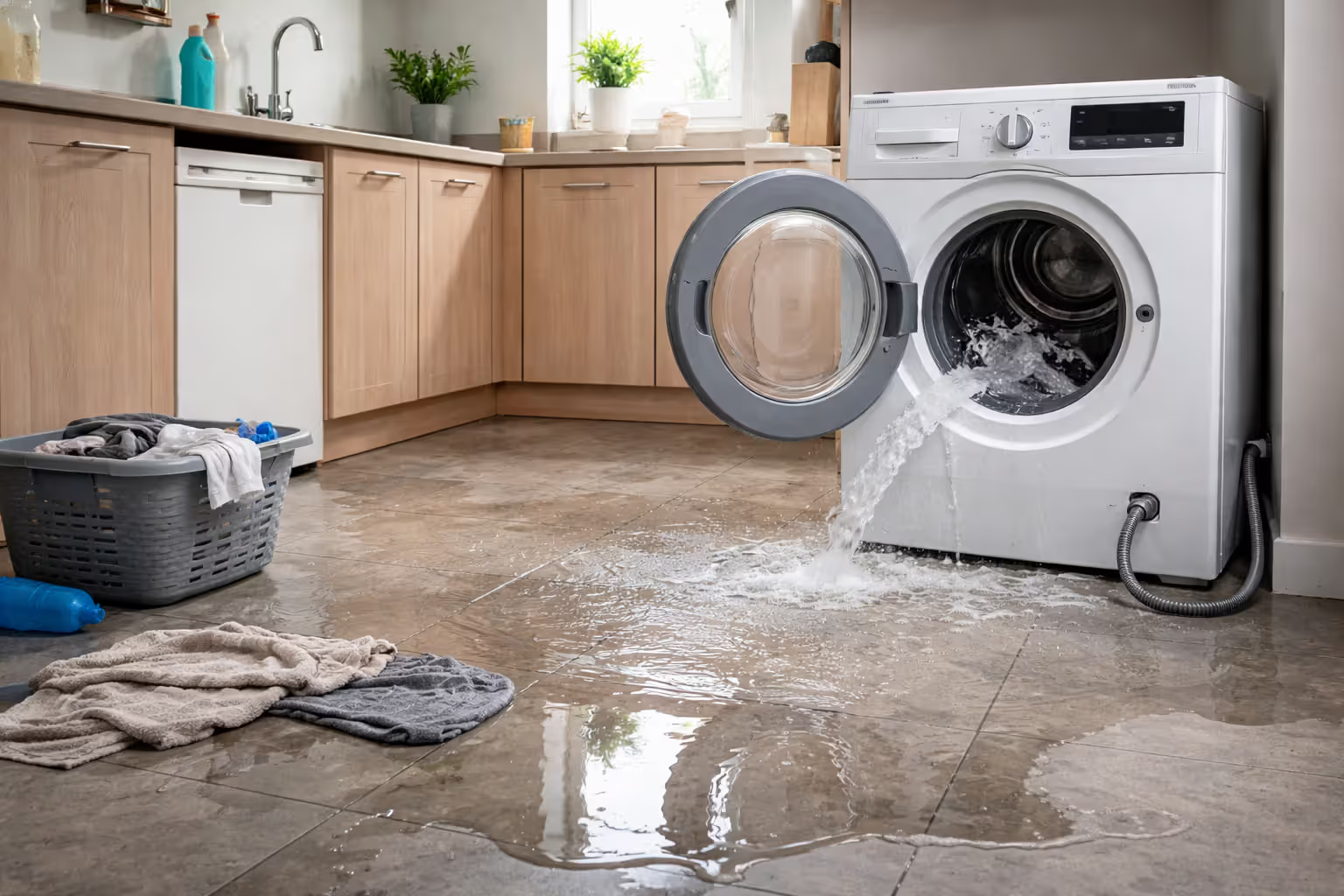
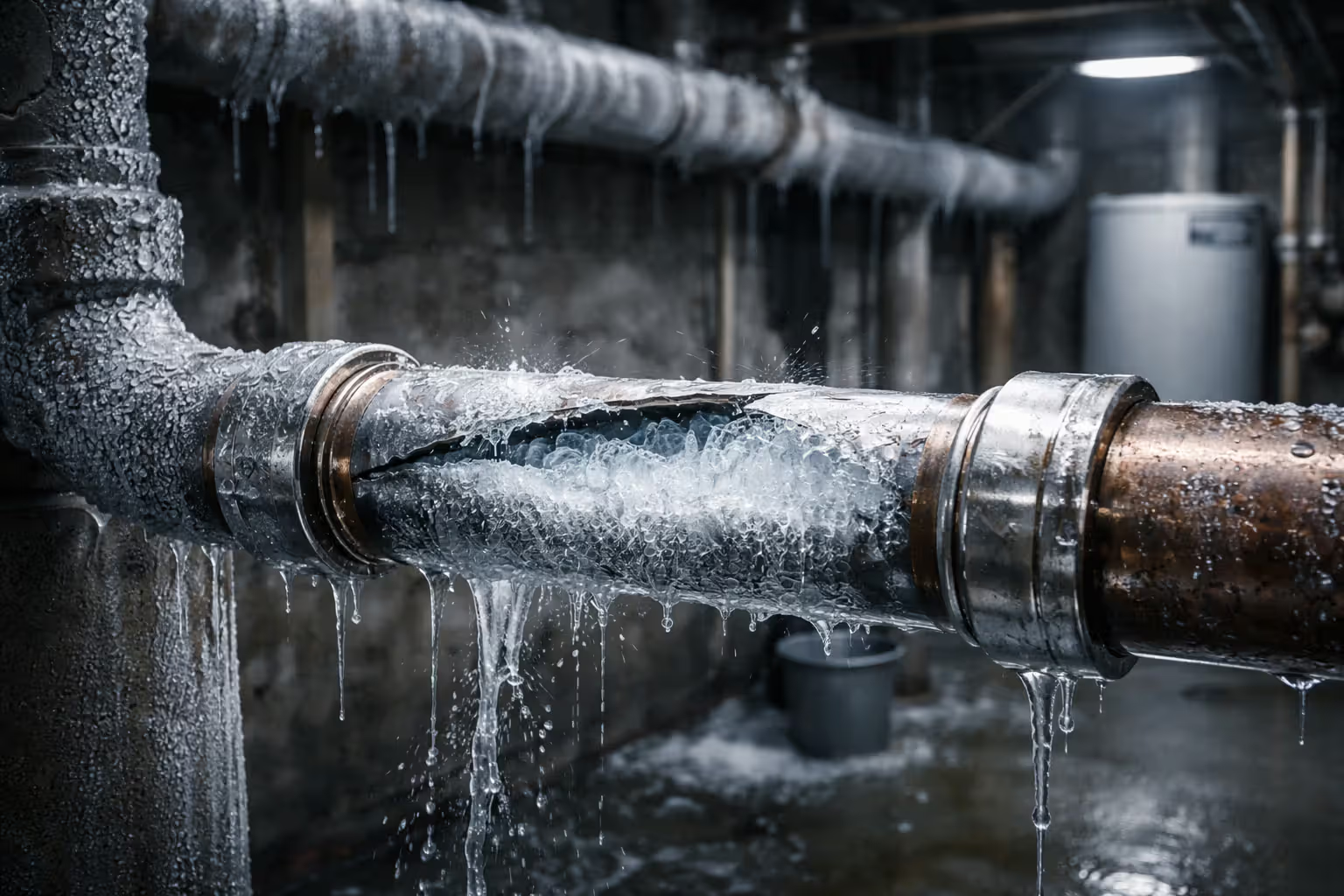
Insurance companies will typically pay when water damage catches you by surprise. A pipe freezes during a cold snap and splits open? Covered. Your water heater reaches the end of its life and fails without warning? Usually covered. The washing machine hose ruptures while you're at work and floods three rooms? That's covered too.
The common thread: these events happen without warning and couldn't have been prevented through regular home maintenance. You weren't neglecting anything—the damage just happened.
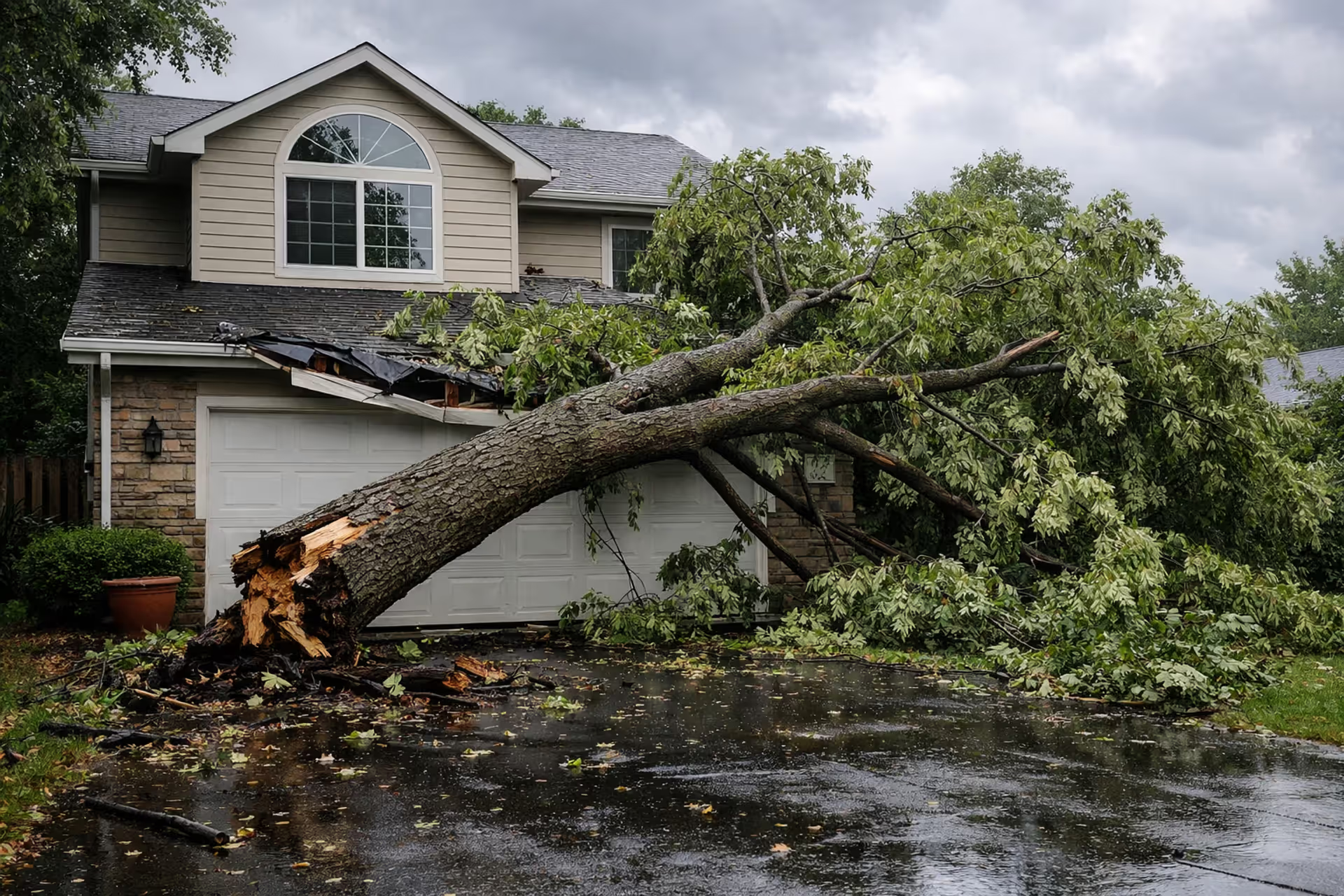
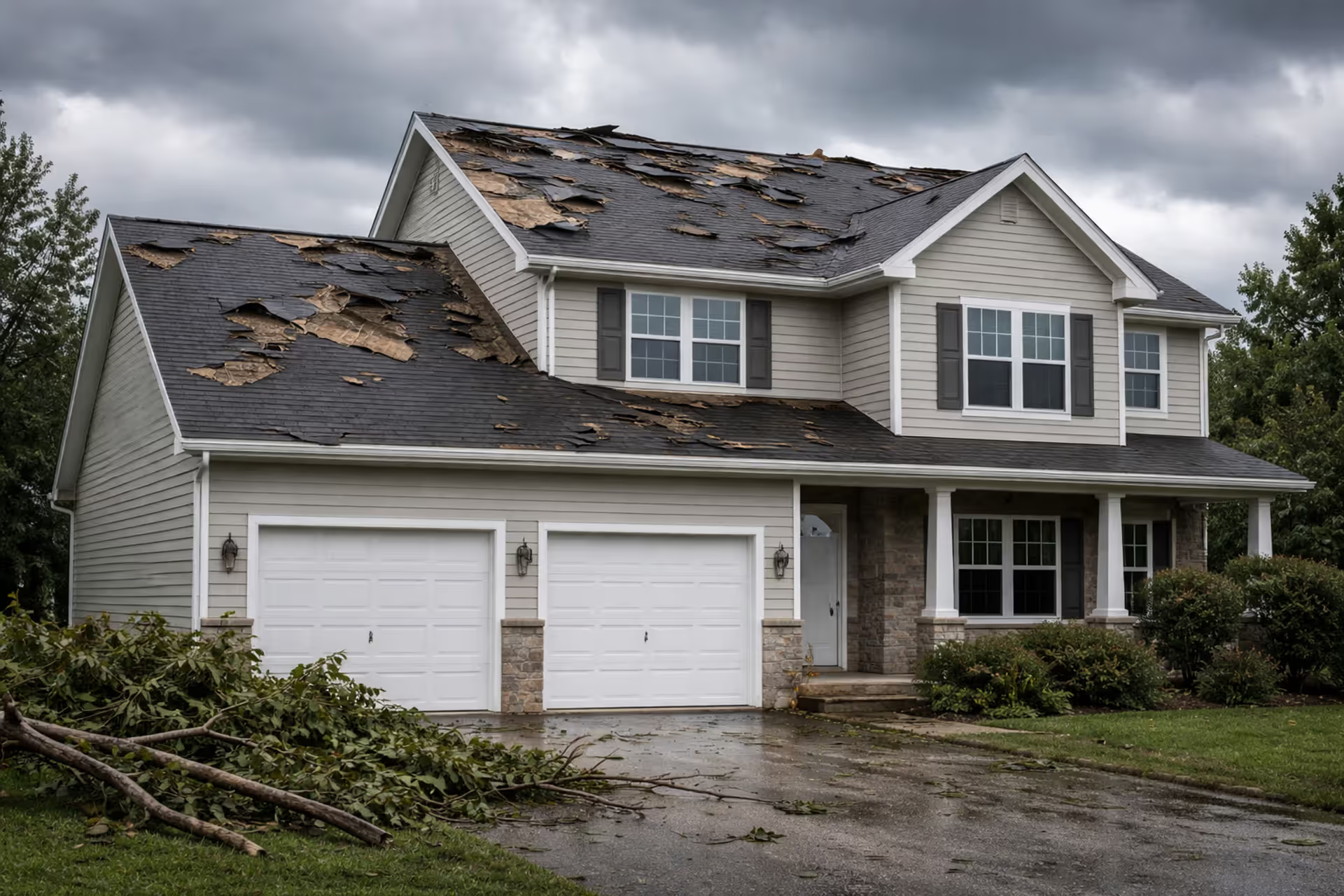
Storm-related roof damage falls into this category too. When high winds rip shingles off your roof or hail punches holes that let rain inside, insurers will pay for repairs. A tree limb crashes through during a storm? Your policy covers both fixing the roof and replacing damaged furniture, clothing, and electronics inside.
When appliances fail unexpectedly, you're generally protected. Your dishwasher's seal gives out overnight, or the refrigerator's ice maker line develops a crack and leaks onto your hardwood floors—these qualify as covered losses. But here's the catch: the appliance must actually malfunction. If it's leaking because you never cleaned the drain line in five years, that's maintenance neglect.
Author: Nathaniel Porter;
Source: talero.spotpariz.net
Water Damage Exclusions
Flooding tops every exclusion list. Standard policies explicitly refuse to pay for rising water from any outside source. A river jumps its banks? Not covered. Heavy thunderstorms overwhelm storm drains and water seeps into your basement? Still not covered. Storm surge from a hurricane pushes water inland? You need separate flood insurance for that—no exceptions.
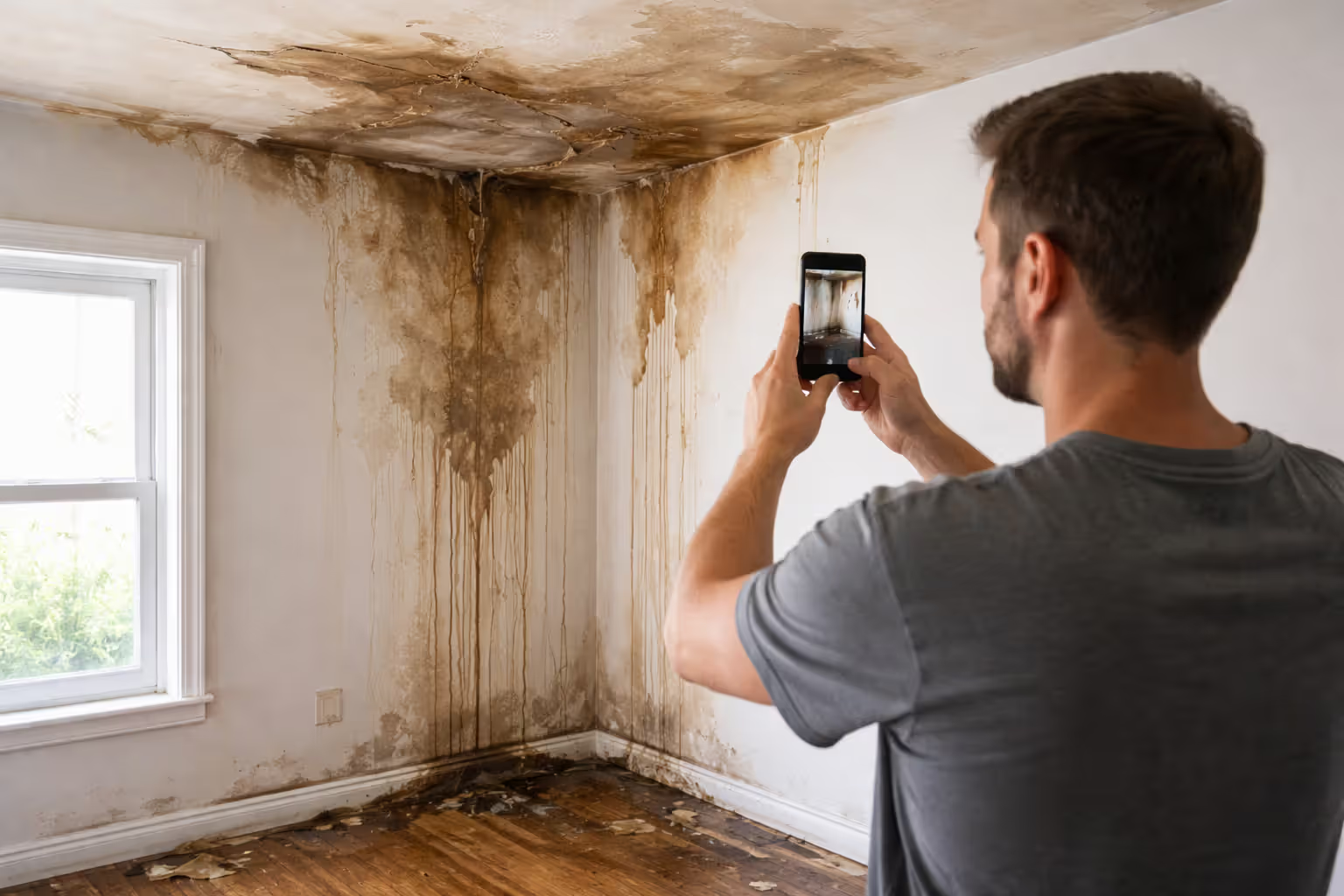
Slow leaks create headaches because they exist in a gray zone. Let's say your bathroom pipe has been dripping behind drywall for six months, and you've seen the water stains growing but did nothing. Insurance will reject that claim. Why? They expect you to maintain your home and fix obvious problems. One adjuster told me: "We don't pay for damage you watched happen in slow motion."
Water that seeps through foundation walls won't trigger coverage either. Whether it's from poor drainage around your home, hydrostatic pressure pushing groundwater through concrete, or inadequate waterproofing, you're on your own. Sewer backups need their own endorsement—more on that later—but without that add-on, a backed-up basement drain comes out of your wallet.
Maintenance-related failures get denied consistently. Your roof leaked because those shingles are 25 years old and you never replaced them? Denied. Water heater flooded because you ignored yearly inspections and it finally gave out? Also denied. Insurers draw a clear line between unexpected mechanical failures and predictable problems you should have addressed.
How Home Insurance Water Damage Coverage Works
Author: Nathaniel Porter;
Source: talero.spotpariz.net
Understanding how your policy responds when water damage happens prevents unwelcome surprises during the claims process.
Three coverage sections come into play. Coverage A (dwelling coverage) handles structural repairs—walls, flooring, ceilings, built-in cabinetry, and permanent fixtures. Coverage C (personal property) reimburses you for ruined belongings like sofas, TVs, clothes, and appliances. Coverage D (additional living expenses) picks up hotel bills and restaurant costs if the damage forces you out of your home during repairs.
The moment you spot water damage, notify your insurer. Most companies want to hear from you within a day or two—check your policy's exact language. Some specify 24 hours, others say 48 or 72. Waiting too long can torpedo your claim, particularly if your delay allowed water to cause additional destruction.
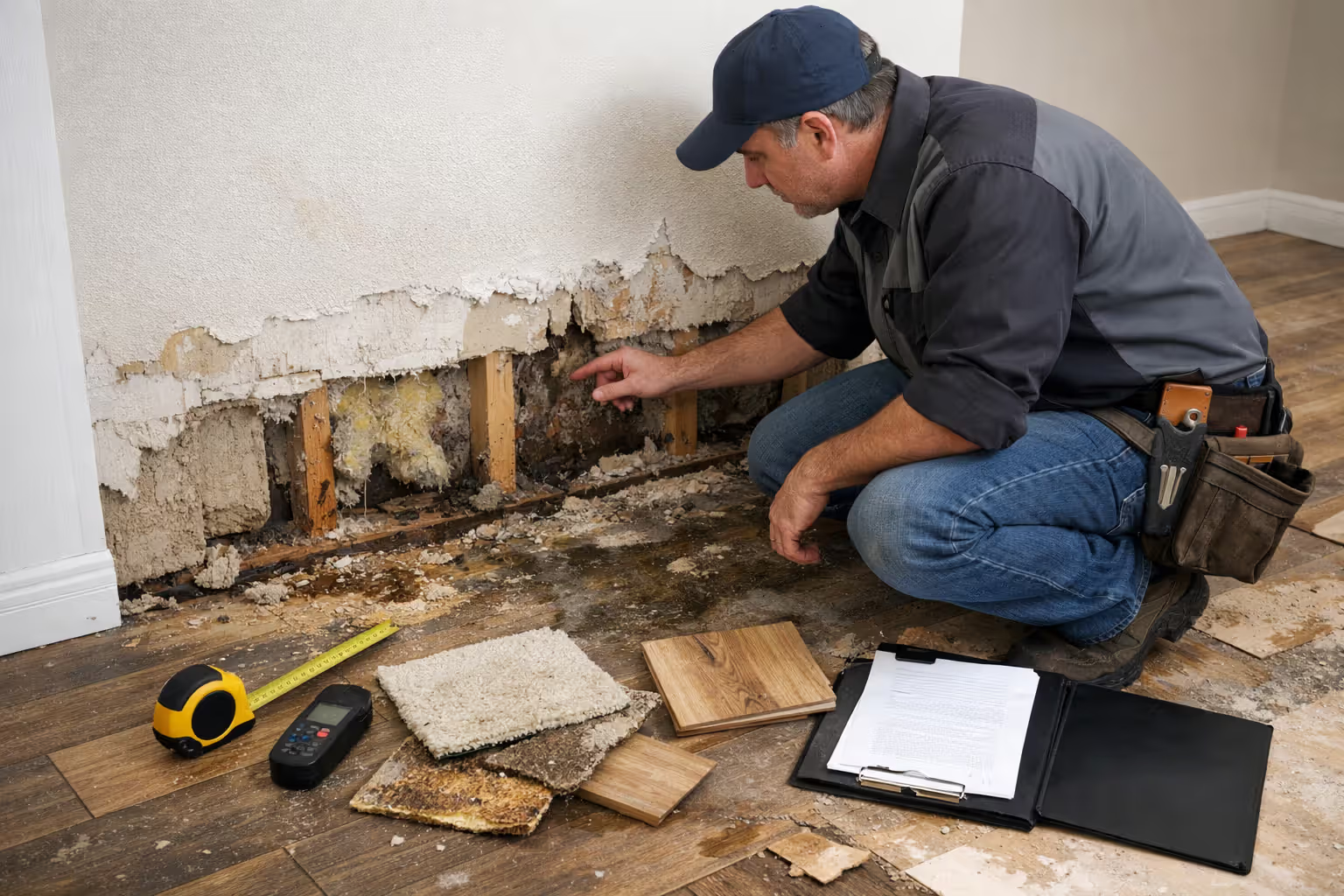
Once you report the loss, your insurance company sends someone to assess the situation. This person visits your property, photographs everything, measures affected areas, and investigates what caused the problem. They'll look for proof of how the damage occurred, evaluate the destruction's extent, and calculate repair costs. Their findings largely determine whether you get paid and how much.
Homeowners shoot themselves in the foot by waiting days to report damage or failing to photograph everything. Take pictures immediately, don't throw away damaged items before the adjuster sees them, and write down details of every single conversation with your insurance company. I've seen these basic steps make or break claims worth tens of thousands of dollars
— Sarah Mitchell
Payment schedules vary wildly. Straightforward cases might close in three weeks, while complicated situations involving major structural work or disputes about coverage can stretch out for half a year. Insurers often send an initial check for emergency repairs and temporary housing, then issue additional payments as contractors finish work and send invoices.
Your payout equals the cost to repair or replace everything, minus your deductible. Policies with replacement cost coverage for belongings pay depreciated value first, then the remaining amount after you replace items and show receipts.
Understanding Your Water Damage Deductible and Coverage Limits
Your policy's financial terms—deductibles and maximum payments—directly affect what you'll spend when water invades your home.
Standard Deductibles for Water Claims
Most policies apply a fixed-dollar deductible to water claims, anywhere from $500 to $2,500 depending on what you chose when buying coverage. Higher deductibles mean lower premiums. Simple math: $8,000 in covered damage minus a $1,000 deductible equals $7,000 paid to you.
Homeowners in coastal regions or high-risk areas sometimes face percentage-based deductibles for specific perils. A 2% wind/hail deductible on a $300,000 home means you're paying the first $6,000 of covered storm damage. Water damage from other causes still uses your regular flat deductible, though wind-driven rain entering through storm damage might trigger that percentage deductible instead.
Some policies include special deductibles for equipment breakdown or particular water-related losses. Your declarations page lists all applicable deductibles—check carefully, as you might have three or four different deductibles for different scenarios.
Coverage Limits by Policy Type
Your dwelling coverage limit caps what your insurer will pay to rebuild. Most policies set this at replacement cost—what it would cost to rebuild today—not your home's market value. With a $350,000 dwelling limit, $25,000 in water damage to your structure barely makes a dent. But if catastrophic damage pushes close to that limit, you could face substantial out-of-pocket expenses.
Personal property coverage usually runs 50-70% of your dwelling amount. A policy with $300,000 dwelling coverage might give you $150,000 to $210,000 for belongings. Water damage that ruins furniture, electronics, and clothes draws from this bucket. Jewelry, art, and collectibles often have sub-limits around $1,500—you need separate endorsements for full protection on valuable items.
Additional living expenses cap out at 20-30% of dwelling coverage and limit the reimbursement period to 12-24 months. Water damage that makes your home unlivable for three months gets covered, but only within your policy's specified maximums.
Extended replacement cost endorsements provide breathing room, paying an extra 25-50% beyond your dwelling limit. This protects against construction cost spikes or if you underinsured your home. Water backup coverage, when purchased as an endorsement, typically includes sub-limits between $5,000 and $25,000—not enough for catastrophic sewer backup damage, but certainly better than zero coverage.
Common Water Damage Scenarios and Coverage
Different water damage situations get treated very differently by insurers. Here's what to expect:
| Scenario | Typically Covered? | Notes/Conditions |
| Burst pipe | Yes | Pays when it happens suddenly; covers pipe repairs unless the burst resulted from maintenance neglect |
| Appliance leak (sudden) | Yes | Dishwasher, washing machine, water heater breakdowns covered when accidental and unexpected |
| Roof leak (storm damage) | Yes | Pays when wind, hail, or falling objects cause the damage; requires proof of proper roof maintenance |
| Roof leak (wear and tear) | No | Damage from aging, deteriorated roofing materials gets excluded as a maintenance problem |
| Sewer backup (no endorsement) | No | Must purchase separate water backup endorsement; standard policy won't pay |
| Sewer backup (with endorsement) | Yes | Pays up to endorsement sub-limit, commonly $5,000-$25,000 |
| Flood (rising water) | No | Needs separate flood insurance policy; standard homeowners insurance never covers this |
| Sump pump failure | Maybe | Pays if the pump itself mechanically fails suddenly; might need equipment breakdown endorsement |
| Frozen pipe burst | Yes | Pays if you kept the home heated and took reasonable winterization precautions; often excluded for vacant homes |
| Gradual leak | No | Slow leaks over time get excluded as preventable through proper maintenance and regular inspections |
The "maybe" situations deserve extra explanation. Sump pumps get covered when the unit itself mechanically fails without warning, but not when torrential rain simply exceeds its capacity. Your pump burns out unexpectedly and the basement floods? Covered. Your pump runs fine but can't keep up with unprecedented rainfall? That resembles flooding, and you're probably denied.
Frozen pipes show another conditional situation. You'll get paid if you maintained adequate heat and took reasonable winterization steps, but extreme cold froze the pipes anyway. Turn off your heat for a Florida vacation and come home to burst pipes? Expect a denial. Many policies specifically exclude vacant home damage unless you've purchased special vacant property coverage.
Author: Nathaniel Porter;
Source: talero.spotpariz.net
How to File a Water Damage Insurance Claim
The claims process demands quick action and thorough record-keeping. Here's how to maximize your chances of success.
Stop the water if you can do so safely. Shut your main water valve for burst pipes, turn off appliances that are leaking, or put buckets under active drips. Policies require you to prevent additional damage—ignoring this duty can reduce what you receive.
Call your insurance company right away. Most maintain 24/7 claims hotlines. Report what happened, give basic details about the damage, and ask what immediate steps they recommend. Write down your claim number and the adjuster's name.
Document before you clean anything. Take extensive photos and videos of all damaged areas from every angle. Capture water levels, stains on walls and ceilings, damaged belongings, and the water source if you can identify it. This evidence becomes critical if disagreements arise later. Many people delete these photos after getting paid, then face problems when insurers question claim details months later.
Documentation You'll Need
Pull out your insurance policy, particularly the declarations page showing coverage limits and deductibles. Make a detailed list of damaged personal property with descriptions, when you bought each item, and estimated values. Receipts, credit card statements, or old photos help prove ownership and value.
Keep samples of damaged materials when feasible. If water-soaked carpeting or drywall must come out, save small pieces as proof. Document all temporary repairs with receipts for tarps, fans, dehumidifiers, or emergency plumber visits. Insurers should reimburse reasonable costs to prevent additional damage.
Get written estimates from licensed contractors. Having multiple estimates strengthens your position if the adjuster's numbers seem low. Maintain a claim diary noting every phone call, email, and meeting with your insurer, including dates, times, and names.
Author: Nathaniel Porter;
Source: talero.spotpariz.net
Typical Claim Timeline
Straightforward water damage claims often close within two to four weeks. The adjuster visits within days, submits their report, and payment comes shortly after. You can start repairs once that initial check arrives.
Complex claims involving extensive structural damage, coverage disagreements, or multiple contractors can drag out for two to six months or longer. If your insurer denies coverage or lowballs the settlement, you might need to negotiate, request a second inspection, or hire a public adjuster or attorney.
Processing speeds up when you maintain organized records, respond quickly to adjuster requests, and keep all communication professional. Claims stall when homeowners delay providing information, miss scheduled inspections, or submit disorganized documentation.
When You Need Additional Water Damage Coverage
Standard homeowners insurance leaves significant protection gaps. Consider these add-ons based on your home's risk profile.
Flood insurance becomes essential near water bodies, in flood-prone areas, or within FEMA-designated flood zones. Even moderate-risk areas flood—roughly 25% of flood claims come from properties outside high-risk zones. National Flood Insurance Program policies max out at $250,000 for structures and $100,000 for contents, with a 30-day waiting period before coverage activates. Private flood insurance offers higher limits and sometimes broader coverage.
Water backup endorsements cover damage from sewer or drain backups, sump pump overflows, and water entering through drains or toilets. These cost $40 to $100 annually and provide $5,000 to $25,000 in coverage. Homes with basements, finished lower levels, or aging sewer connections need this—one claim pays for decades of premiums.
Equipment breakdown coverage extends protection to mechanical failures of home systems. This covers water heaters, HVAC systems, and appliances when they suddenly fail, even without external damage. Some insurers include this automatically; others sell it as an optional add-on.
Service line coverage protects underground pipes, electrical lines, and utility connections between your home and the street. Tree roots crack your water line or ground shifting breaks your sewer lateral? This coverage handles excavation and repairs—costs that easily top $10,000.
Increase water backup limits if your home has finished basements, expensive flooring, or valuable items stored in lower levels. The standard $5,000 sub-limit handles minimal damage but falls woefully short when sewage backs up into a finished basement with new flooring and electronics.
Frequently Asked Questions About Water Damage Coverage
Home insurance offers solid protection against sudden water damage but demands that you understand what's covered and what isn't. Burst pipes and appliance failures typically get paid, while floods, gradual leaks, and maintenance problems don't.
Your financial protection hinges on knowing your deductible, coverage maximums, and policy exclusions before water damage happens. Document your possessions now, maintain your home properly, and seriously consider endorsements for water backup and flood coverage based on your specific risks.
When damage occurs, move fast—stop the water source, contact your insurer within hours, and photograph everything extensively. The difference between a smooth claim experience and a frustrating denial often boils down to quick action and meticulous documentation. Review your policy today instead of discovering its shortcomings while standing ankle-deep in a flooded basement.